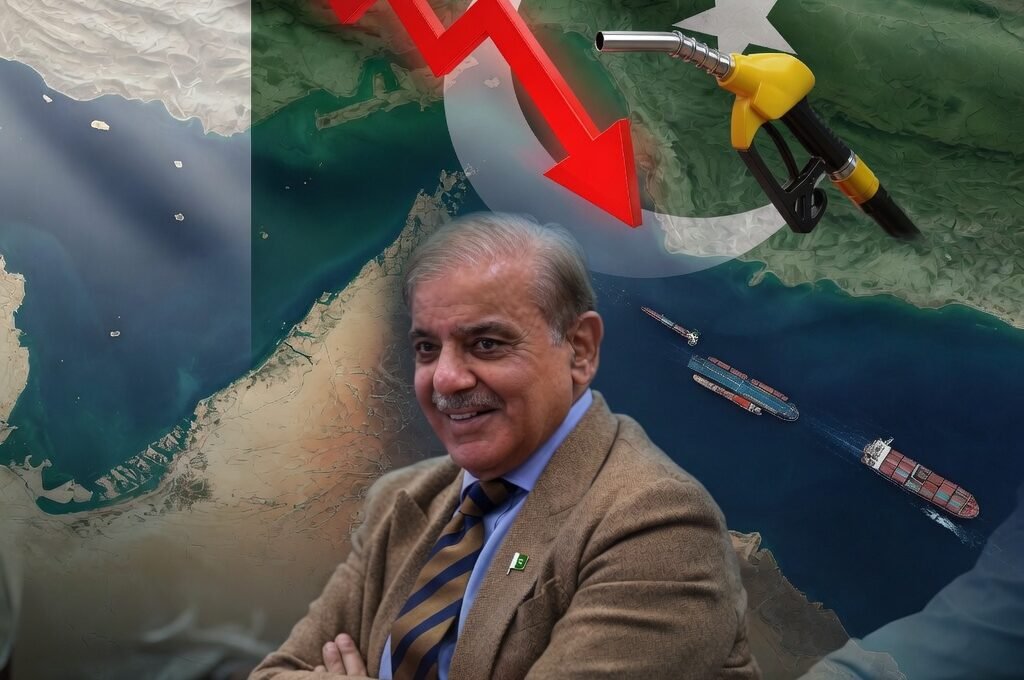
Finally, some positive news for millions of Pakistanis feeling the pinch at the fuel pump. After weeks of sky-high oil prices triggered by tensions in the Middle East, petrol is likely cheaper in the coming weeks thanks to a major development: Iran has reopened the Strait of Hormuz to commercial shipping.
This critical waterway, which carries about one-fifth of the world’s oil supply, had faced restrictions amid the US-Iran conflict. Its reopening has caused global oil prices to drop sharply more than 10% in a single day in some cases. For Pakistan, which imports most of its crude oil and petroleum products, this means lower import costs and the strong possibility of reduced petrol and diesel prices in the next review.
If you’re a daily commuter, bike rider, or someone running a small business, this could bring much-needed relief to your monthly budget. In this article, we explain why petrol is likely cheaper, how much the price might drop, what caused the earlier surge, and what it means for the economy and ordinary citizens.
Why Petrol Prices Surged Earlier
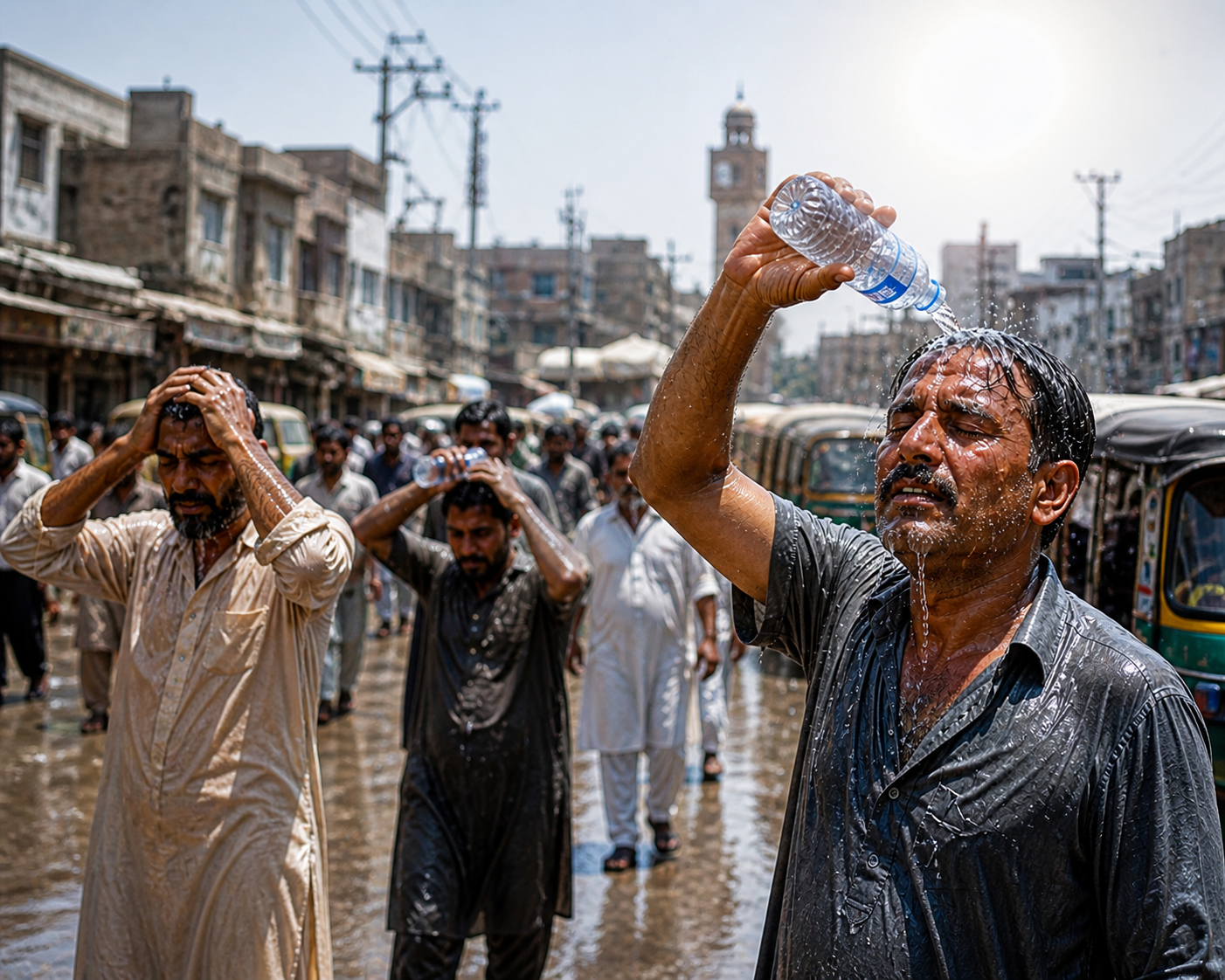
In early April 2026, Pakistan witnessed one of the sharpest fuel price hikes in recent memory. Petrol jumped by over 42% to around Rs458 per litre, while high-speed diesel rose by nearly 55% to Rs520 per litre. This painful increase came directly because of escalating conflict in the Middle East, which pushed global crude oil prices to record highs petrol is likely cheaper.
The main trigger was uncertainty around the Strait of Hormuz. When shipping through this vital route faced disruptions, insurance costs soared and oil supply fears grew. Pakistan, being heavily dependent on imported oil, had no choice but to pass on the higher international rates to consumers. For many families, this meant higher commuting costs, increased transport fares, and more pressure on household budgets.
The Hormuz Decision and Its Immediate Impact
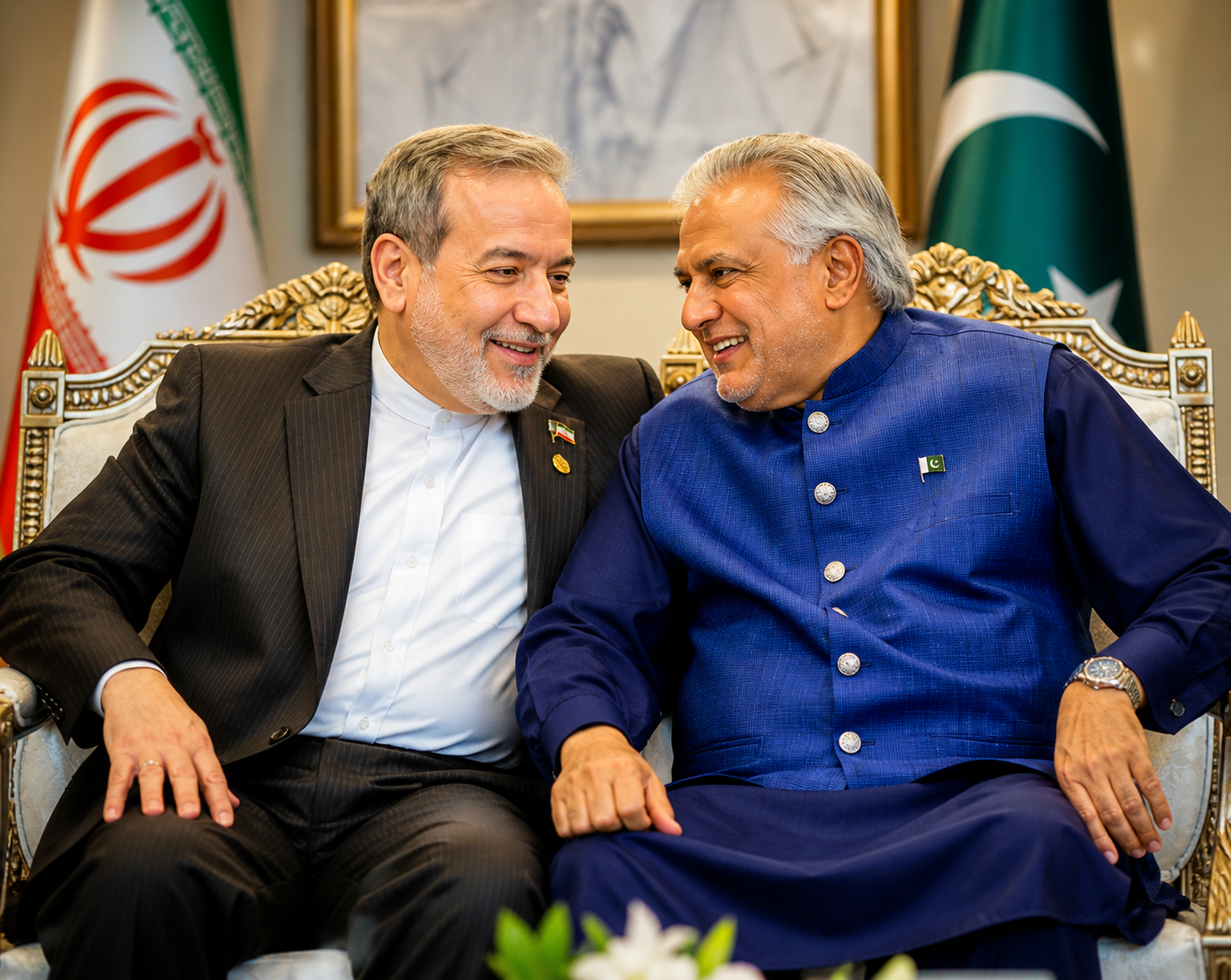
The game-changer came when Iran announced that the Strait of Hormuz is now “completely open” to commercial vessels. This decision followed diplomatic efforts, including Pakistan’s mediatory role, and a fragile ceasefire in the region.
Within hours of the announcement:
- Global benchmark oil prices (Brent and WTI) plunged by 9–12%.
- Shipping costs and risk premiums started falling.
- Market sentiment shifted from fear of shortage to optimism about restored supply.
This sudden drop in international oil prices is the key reason why petrol is likely cheaper in Pakistan very soon.
How the Reopening of Strait of Hormuz Affects Pakistan
Pakistan imports roughly 80–85% of its oil needs. The Strait of Hormuz is the main route for tankers bringing crude from the Gulf to our ports. When the strait faced restrictions, oil traders added huge risk premiums, driving up costs.
Now that the waterway is open again:
- Import bills for Pakistan State Oil (PSO) and other companies are expected to decrease.
- The Oil and Gas Regulatory Authority (OGRA) will factor in the lower global rates during the next fortnightly price review.
- Reduced pressure on the rupee and foreign exchange reserves is also anticipated.
Experts believe this development could help stabilise the energy sector and give some breathing space to the economy.
Expected Drop in Petrol Prices
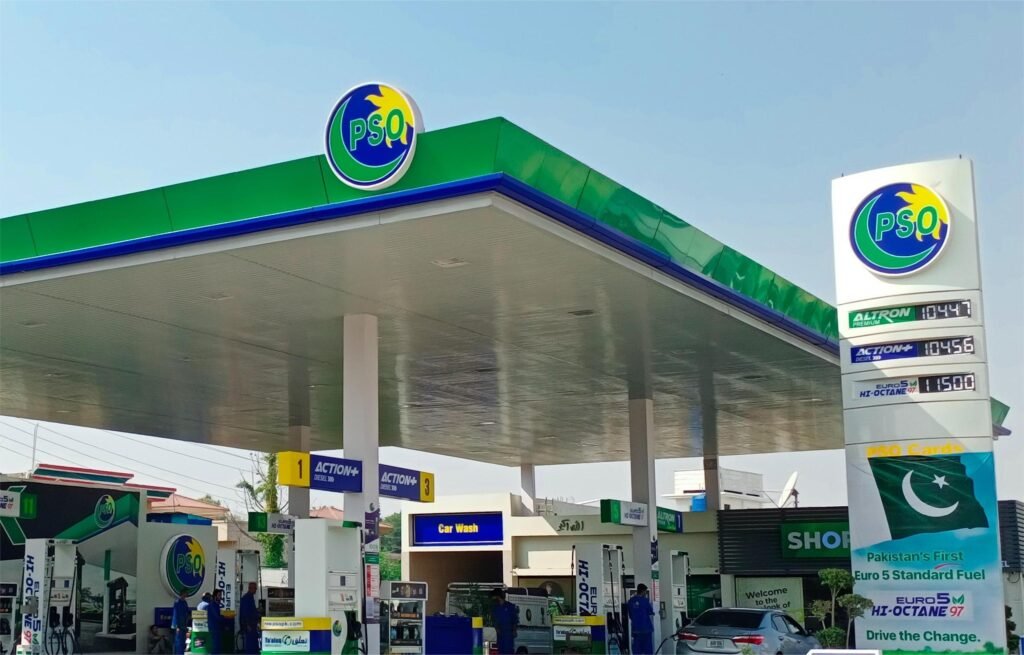
According to petroleum ministry sources and market analysts, petrol is likely cheaper by Rs20 to Rs40 per litre in the next review, depending on how long the lower global prices hold.
Recent trends already show some relief:
- Diesel has seen noticeable cuts in recent adjustments (up to Rs32–135 per litre in phased reductions).
- Petrol prices have also been adjusted downward through levy reductions, bringing them from the peak of Rs458 to more manageable levels in some notifications.
If international crude stays below $85–90 per barrel for the next few weeks, consumers can realistically expect another round of relief at petrol pumps. This would be welcome news after the sharp hikes that hurt inflation-sensitive sectors.
Government’s Role and Recent Adjustments
The government has been monitoring the situation closely. Prime Minister Shehbaz Sharif and the petroleum minister have already taken steps such as reducing the petroleum levy on petrol to cushion consumers.
READ NEXT: Thanks To PM Shehbaz Regional War Has Ended, Says Erdoğan
These adjustments show that when global conditions improve, the benefit is passed on though sometimes gradually. The reopening of the Strait of Hormuz gives the government more room to provide relief without putting too much burden on the national exchequer.
Impact on Diesel, Transport, and Daily Life
Diesel prices affect almost every sector from public transport and freight to agriculture and power generation. A drop in diesel rates would help:
- Lower bus, rickshaw, and truck fares
- Reduce the cost of goods transportation, which could ease food inflation
- Bring down electricity generation costs for oil-based plants
For ordinary people, petrol likely cheaper means:
- Savings on daily commuting for bike and car owners
- Lower costs for small businesses and delivery services
- Some relief in overall cost of living
Even a Rs20–30 reduction per litre can add up to significant monthly savings for middle-class families.
Factors That Could Influence Future Prices
While the outlook is positive, several factors will decide how much relief we actually get:
- Duration of the current ceasefire and stability in the Middle East
- Global demand and supply dynamics
- Exchange rate of the Pakistani rupee against the US dollar
- Government decisions on petroleum levy and subsidies
- Any new geopolitical developments
If the Hormuz route remains fully operational and talks between major parties progress, petrol is likely cheaper for a sustained period.
What Consumers Should Know
Here are a few practical tips:
- Keep an eye on official announcements from the Ministry of Petroleum every 1st and 15th of the month.
- Use fuel-efficient driving habits to maximise savings.
- Consider switching to public transport or carpooling where possible.
- Small businesses should factor in potential cost reductions when planning budgets.
The current situation proves that global events have a direct link to our daily expenses — when tensions ease, wallets get some breathing room.
FAQs
1. Why is petrol likely cheaper in Pakistan now? Because Iran has reopened the Strait of Hormuz, global oil prices have dropped sharply, reducing Pakistan’s import costs.
2. How much can petrol prices fall? Analysts expect a reduction of Rs20 to Rs40 per litre in the coming review, though the exact amount will depend on international rates and government policy.
3. When will the new lower petrol prices be announced? Petrol prices are reviewed fortnightly. The next major adjustment reflecting the Hormuz decision is expected soon.
4. Will diesel prices also decrease? Yes. Diesel has already seen some cuts, and further reductions are likely as global prices ease.
5. Does this mean the fuel crisis is completely over? Not entirely. While short-term relief is on the way, long-term stability depends on sustained peace in the region and Pakistan’s own energy reforms.
Conclusion
After weeks of bad news at the fuel pumps, there is finally reason to smile. With the reopening of the Strait of Hormuz and falling global oil prices, petrol is likely cheaper in Pakistan in the near future. This development offers real relief to millions of citizens who have been struggling with high transport and living costs.
While we should remain cautiously optimistic as geopolitical situations can change quickly the current trend is clearly positive. Lower fuel prices can help control inflation, support businesses, and improve the quality of daily life for ordinary Pakistanis.
Keep following reliable updates, and let’s hope this window of lower oil prices lasts long enough to bring meaningful and sustained relief. For now, this is genuinely good news that many households have been waiting for.