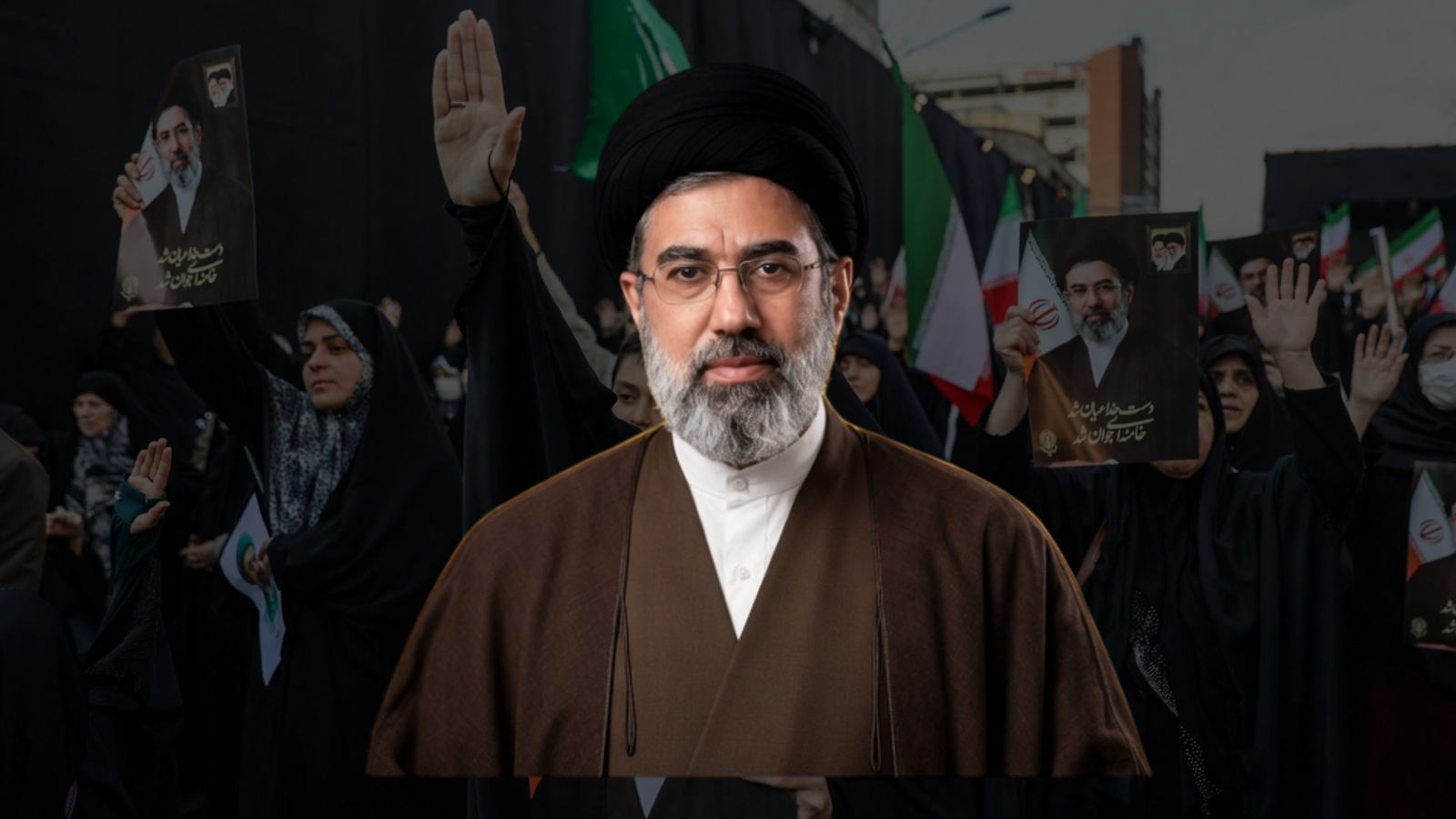
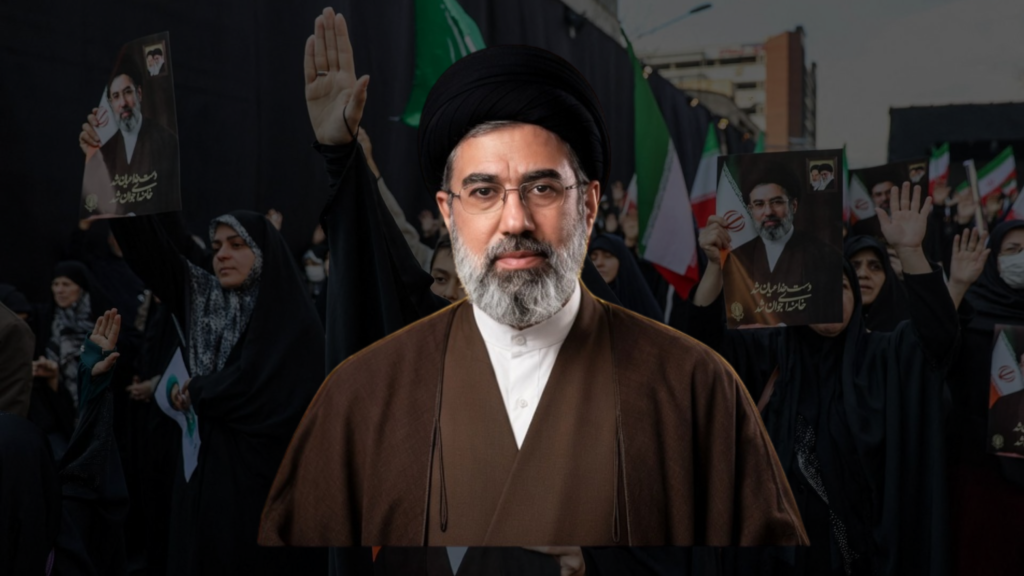
In a powerful display of support, thousands of Iranians filled the streets of Tehran for a big rally in Tehran backing the country’s newly appointed Supreme Leader, Mojtaba Khamenei. The gathering at iconic Enghelab (Revolution) Square and other locations came shortly after Mojtaba Khamenei, son of the late Ayatollah Ali Khamenei, was selected as the third Supreme Leader of the Islamic Republic.
Participants waved Iranian flags, held portraits of both the new leader and his father, and chanted slogans of loyalty such as “God is Greatest” and “Your path will continue.” This big rally in Tehran took place against the backdrop of recent regional conflict, including US-Israeli strikes that reportedly killed the previous supreme leader. For many observers, the event highlighted the regime’s efforts to project unity and continuity during a turbulent time.
In this article, we take a close look at the big rally in Tehran, its significance, the broader context of leadership transition in Iran, and what it means for the country’s future.
What Happened at the Big Rally in Tehran
The big rally in Tehran took place on March 9, 2026, just days after Mojtaba Khamenei was named Supreme Leader by the Assembly of Experts. Large crowds converged on Enghelab Square, one of the capital’s most symbolic public spaces.
State media and independent footage showed thousands including men, women, and families participating enthusiastically. Many carried portraits of Mojtaba Khamenei alongside those of his late father. Banners with messages like “Your path will continue” were prominently displayed, signaling a commitment to the policies and ideology of the previous leadership.
Chants of “Allah-o-Akbar” (God is Greatest), “Death to America,” and “Death to Israel” echoed through the square, reflecting both religious devotion and defiance amid ongoing tensions. Similar rallies were reported in other Iranian cities, but the big rally in Tehran stood out for its scale and visibility.
Background: Death of Ayatollah Ali Khamenei and Succession
The leadership transition occurred under extraordinary circumstances. Ayatollah Ali Khamenei, who served as Supreme Leader for over three decades, was reportedly killed in US-Israeli airstrikes in late February 2026. His death came during a period of heightened conflict that shook the region.
Following his passing, the Assembly of Experts the constitutional body responsible for selecting the Supreme Leader quickly moved to appoint his son, Mojtaba Khamenei. This move ensured continuity within the clerical establishment and avoided a prolonged power vacuum at a sensitive time. The big rally in Tehran served as a public affirmation of this decision.
Who is Mojtaba Khamenei?
Mojtaba Khamenei, aged 56, is a relatively low-profile cleric who has long been considered a potential successor. He is known for his close alignment with his father’s hardline views and has played roles in security and ideological affairs behind the scenes.
Unlike his father, who maintained a very public presence for decades, Mojtaba Khamenei has remained largely out of the spotlight, even after his appointment. The big rally in Tehran and widespread posters across the city have helped introduce him more visibly to the Iranian public and the world.
Scenes from the Rally: Chants, Symbols, and Participation
Videos and images from the big rally in Tehran captured a highly organized yet emotional atmosphere:
- Crowds waving Iranian national flags alongside portraits of both Khameneis
- Heavy security presence with armoured vehicles and personnel on rooftops
- Women and young people participating actively, including coordinated marches
- Slogans emphasizing unity, resistance, and continuation of the Islamic Revolution’s path
Some reports also noted counter-sentiments, with isolated videos of people chanting against the new leader from balconies, though these were not widespread at the main rally.
The event occurred even as explosions were reportedly heard in parts of eastern Tehran, underscoring the tense security environment.
Why the Rally Matters for Iran’s Leadership
Public rallies like the big rally in Tehran play an important role in Iranian politics. They allow the establishment to demonstrate popular support, especially during moments of uncertainty or external pressure.
This particular rally aimed to:
- Legitimize Mojtaba Khamenei’s leadership in the eyes of the public
- Project national unity amid war and leadership change
- Send a message of defiance to external adversaries
- Reaffirm the ideological foundations of the Islamic Republic
For the new Supreme Leader, such visible backing can strengthen his position internally while signalling stability to regional and global actors.
Regional and International Reactions
The big rally in Tehran and the swift succession drew mixed reactions. Supporters within Iran and among allied groups viewed it as a sign of resilience. Critics and opposition voices, both inside and outside the country, questioned the dynastic nature of the transition and raised concerns about continued hardline policies.
READ NEXT: Petrol Is Likely Cheaper in Pakistan After Hormuz Reopening
Neighbouring countries and major powers watched closely. The rally highlighted that, despite recent strikes and conflict, the Islamic Republic’s power structure remains intact and capable of mobilizing public support X.
Challenges Facing the New Supreme Leader
While the big rally in Tehran showed strong backing from regime loyalists, Mojtaba Khamenei faces significant challenges:
- Ongoing regional conflict and security threats
- Economic difficulties affecting ordinary Iranians
- Questions about his public visibility and leadership style
- Internal factional dynamics within the clerical and political elite
- International isolation and sanctions
How he navigates these issues will shape Iran’s trajectory in the coming years.
Role of Public Demonstrations in Iranian Politics
Mass rallies have long been a feature of Iranian political life, from the 1979 Revolution to annual events like Quds Day. The big rally in Tehran fits into this tradition, serving as both a show of strength and a tool for narrative control.
However, with modern social media and private expressions of dissent, such events do not always reflect unanimous public opinion. Understanding the full picture requires looking beyond state-organized gatherings.
FAQs
1. What was the purpose of the big rally in Tehran? The rally aimed to show public support for Mojtaba Khamenei as the new Supreme Leader and demonstrate continuity after his father’s death.
2. When and where did the big rally in Tehran take place? It was held on March 9, 2026, primarily at Enghelab Square in central Tehran, with participation from thousands of people.
3. Who is Mojtaba Khamenei? He is the 56-year-old son of the late Ayatollah Ali Khamenei and has been appointed as Iran’s new Supreme Leader.
4. Were there any counter-protests during the rally? Some isolated videos showed small expressions of dissent, but the main rally remained firmly in support of the new leadership.
5. How does this rally affect Iran’s political situation? It projects unity and stability but also highlights the challenges of leadership transition during a period of external conflict and internal economic pressures.
Conclusion
The big rally in Tehran backing new Supreme Leader Mojtaba Khamenei offered a vivid snapshot of Iran’s efforts to maintain cohesion during a difficult chapter. In the wake of Ayatollah Ali Khamenei’s death and amid regional tensions, the gathering sent a clear message of loyalty to the Islamic Republic’s system and its new leader.
While such events strengthen the narrative of popular support, the real test for Mojtaba Khamenei will lie in addressing the complex challenges facing Iran from economic hardships to security concerns and international relations. As the country moves forward under its third Supreme Leader, the images and slogans from the big rally in Tehran will likely remain a symbol of this transitional moment.