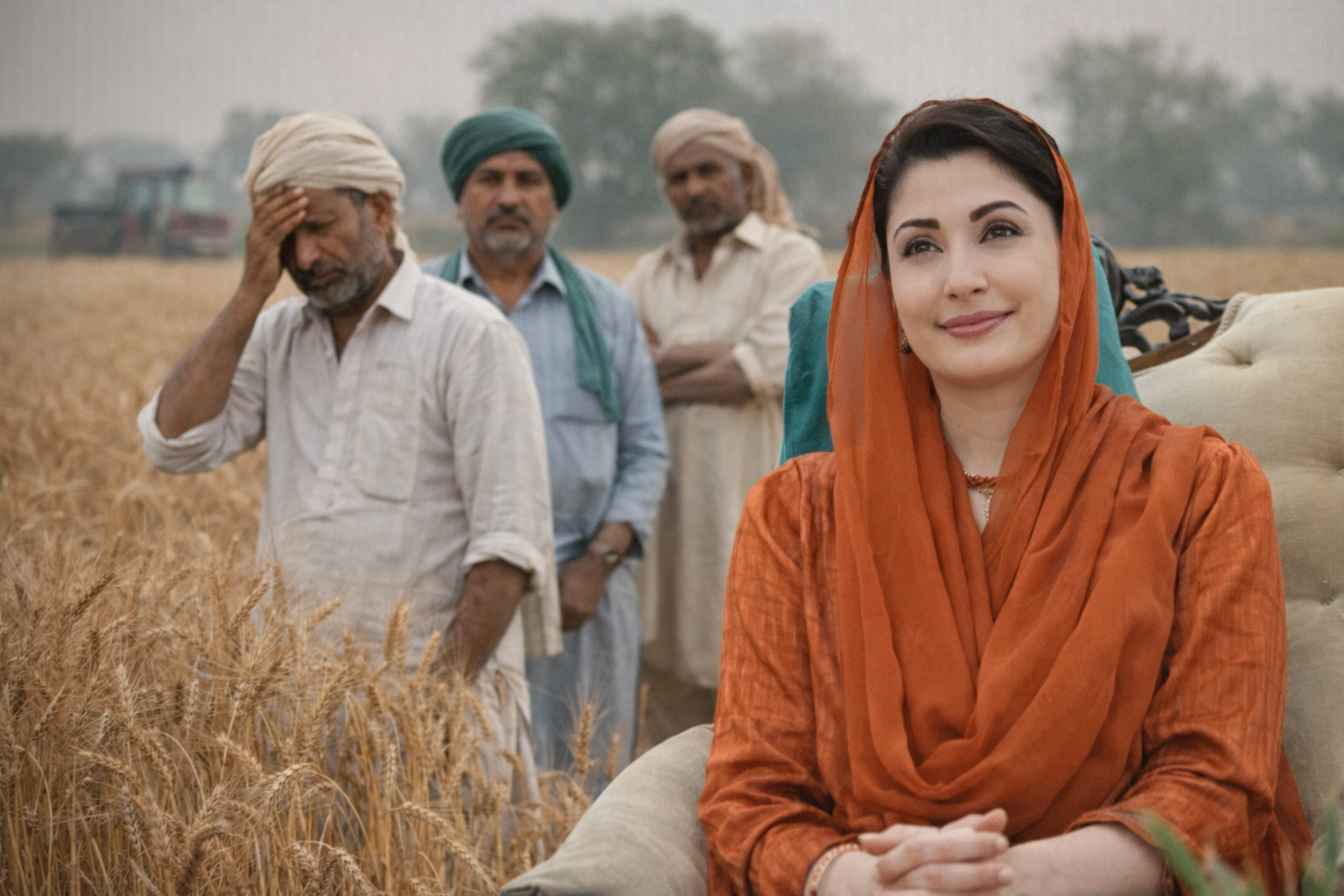
In a significant step for Punjab’s agriculture sector, Chief Minister Maryam Nawaz has set the wheat price at Rs3,500 per 40kg across the province for the 2026 season. This announcement under the new Wheat Policy 2026 brings relief to millions of farmers while aiming to maintain affordable flour prices for consumers.
The decision comes as Punjab prepares for the wheat harvesting season. By fixing the wheat price at Rs3,500, the Punjab government hopes to protect growers from market fluctuations and encourage higher production. For a common farmer in Rawalpindi, Faisalabad, or Multan, this means better income certainty after months of hard work in the fields.
But what does this fixed price really mean? Who benefits the most? And how will it impact bread and roti prices on your table? Let’s break it down in simple terms.
Background of the Wheat Policy 2026
Punjab is known as Pakistan’s food basket, producing the lion’s share of the country’s wheat. Every year, the government announces a support price to ensure farmers get a fair return and the country maintains enough strategic reserves for food security.
This year, under the leadership of Maryam Nawaz, the Punjab government approved the Wheat Policy 2026. The highlight is the fixed wheat price at Rs3,500 per 40kg (one maund). The target is to procure around 3 million metric tons of wheat to build buffer stocks.
The policy also introduces a new public-private partnership (PPP) model, where private companies will buy wheat directly from farmers at the fixed rate, with government oversight.
Why Maryam Nawaz Fixed Wheat Price at Rs3,500
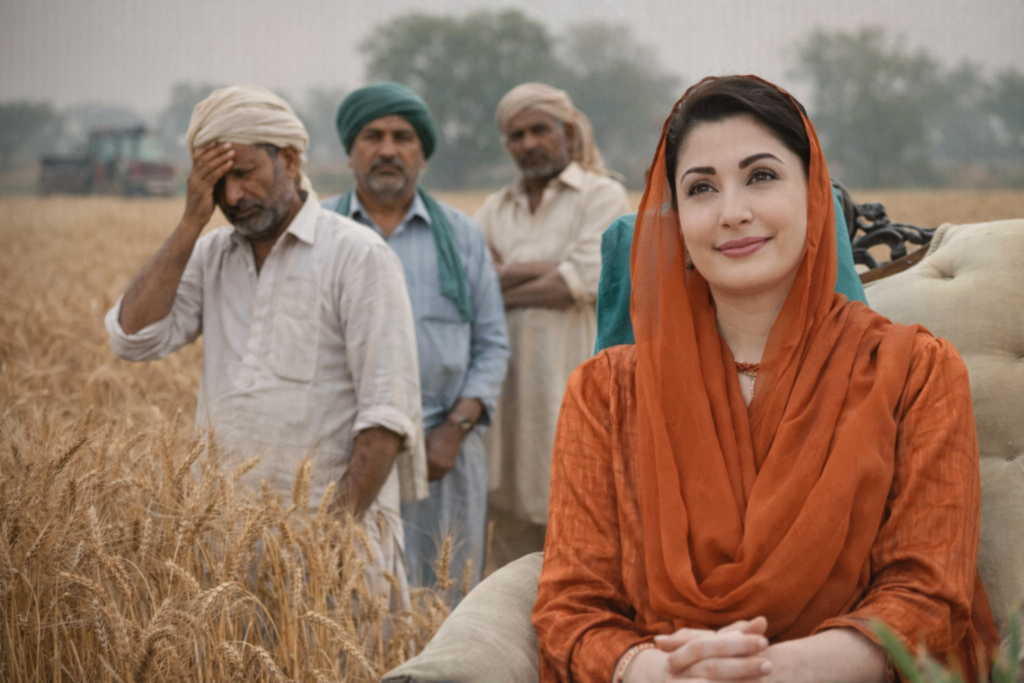
The decision to set the wheat price at Rs3,500 was taken after detailed consultations with agriculture experts, farmers’ representatives, and the private sector. Several factors played a role:
- Rising input costs (seeds, fertilizers, diesel, and labour)
- Need to protect small farmers from distress selling at lower open-market rates
- Maintaining food security by building provincial reserves
- Keeping a balance so that flour prices do not shoot up for ordinary households
Maryam Nawaz emphasized that this price offers a reasonable return to farmers while preventing exploitation by middlemen. The government wants to make sure that when farmers bring their harvest to market, they get paid promptly and fairly.
Key Features of the New Wheat Procurement System
Here’s what makes this policy different:
- Fixed procurement price of wheat price at Rs3,500 per 40kg
- Private sector companies (35+ pre-qualified) will purchase directly from farmers
- Immediate payment to farmers – no delays
- Government monitoring to ensure the fixed rate is strictly followed
- Target procurement: 30 lakh metric tons for strategic reserves
- Special focus on small and medium farmers
This shift from the old government-only procurement model is expected to make the process more efficient and transparent.
How Farmers Will Benefit from This Price
For a typical Punjabi farmer growing wheat on 10–25 acres, the wheat price at Rs3,500 brings several advantages:
- Guaranteed minimum return even if open market rates fall
- Reduced dependence on arthi (commission agents)
- Faster cash flow after harvest for next season’s preparations
- Additional support like diesel subsidy (Rs150 per litre on 10 litres per acre for small farmers)
Many farmers in districts like Okara, Sahiwal, and Sargodha have welcomed the move, saying it gives them confidence to invest more in quality seeds and better farming practices next year.
Impact on Consumers and Flour Prices
While the focus is on farmers, consumers are also a major concern. The government has assured that flour will remain available at controlled rates:
- 10kg flour bag around Rs905
- 20kg bag around Rs1,810
By procuring enough wheat at a reasonable price, the administration aims to avoid sudden spikes in atta prices during the year. However, any increase in production costs can still put indirect pressure on retail prices, so monitoring by the Food Department will be crucial.
READ NEXT: Karachi Feels Just Like Paris Says Sharmila Farooqui
Public-Private Partnership Model Explained
This is one of the biggest changes in the Wheat Policy 2026. Instead of only government centres buying wheat, private companies will now play a major role.
How it works:
- Companies buy directly from farmers at Rs3,500 per 40kg
- Government ensures no one pays less than this rate
- Private players help in storage, transportation, and distribution
- Reduces burden on government exchequer and improves efficiency
Supporters say this model brings professionalism and competition. Critics worry that private companies might prioritize profit over small farmers in remote areas. Only time will tell how smoothly it runs on the ground.
Additional Support Measures for Wheat Growers
Apart from fixing the wheat price at Rs3,500, the Punjab government has rolled out other farmer-friendly steps:
- Rs23 billion support package for wheat growers
- Diesel subsidy for small landholders (up to 25 acres)
- Distribution of 1,000 free tractors to deserving farmers
- Cash grants and technical support for better yields
- Plan to reduce post-harvest losses through modern harvesting techniques
These measures show a comprehensive approach not just price, but overall support for the agriculture community.
Challenges and Criticisms of the Fixed Price
No policy is perfect. Some farmer unions and opposition voices have raised points:
- Is Rs3,500 enough when production costs have risen sharply?
- Will private companies actually reach every village?
- Risk of black marketing or under-reporting if monitoring is weak
- Long-term impact on provincial finances
The government has responded by promising strict field monitoring and quick grievance redressal. Farmers are advised to report any violation of the fixed wheat price at Rs3,500 immediately to local agriculture or food department officials.
FAQs
1. What is the new wheat price fixed by Maryam Nawaz in Punjab? The wheat price at Rs3,500 per 40kg has been set as the minimum support and procurement price for the 2026 season.
2. Who will buy wheat from farmers this year? Both government and private sector companies (under PPP model) will purchase wheat directly at the fixed rate of Rs3,500 per 40kg.
3. Will flour prices increase after this announcement? The government has assured that flour will continue to be available at controlled rates (Rs905 for 10kg bag). However, market dynamics will also play a role.
4. Which farmers can benefit from the diesel subsidy? Small wheat growers owning up to 25 acres are eligible for the diesel subsidy announced alongside the wheat policy.
5. How can farmers complain if they are paid less than Rs3,500? Farmers should contact the local Deputy Director Agriculture, Food Department helpline, or report via the Punjab government’s complaint portal for immediate action X.
Conclusion
By setting the wheat price at Rs3,500 per 40kg, Chief Minister Maryam Nawaz has taken a bold step to support Punjab’s farming community while safeguarding food security. The new Wheat Policy 2026, with its public-private partnership approach, aims to bring efficiency, transparency, and timely payments to farmers.
For a country where agriculture remains the backbone of the economy, such decisions matter a lot. Successful implementation will not only help growers recover their costs but also ensure that a common family in Punjab continues to get affordable roti on the table.
Farmers, consumers, and policymakers will now watch closely how this policy unfolds during the harvest season. If executed well, it could become a model for other provinces too.
What are your thoughts on the wheat price at Rs3,500? Do you think it’s fair for farmers? Share your experience or questions in the comments.