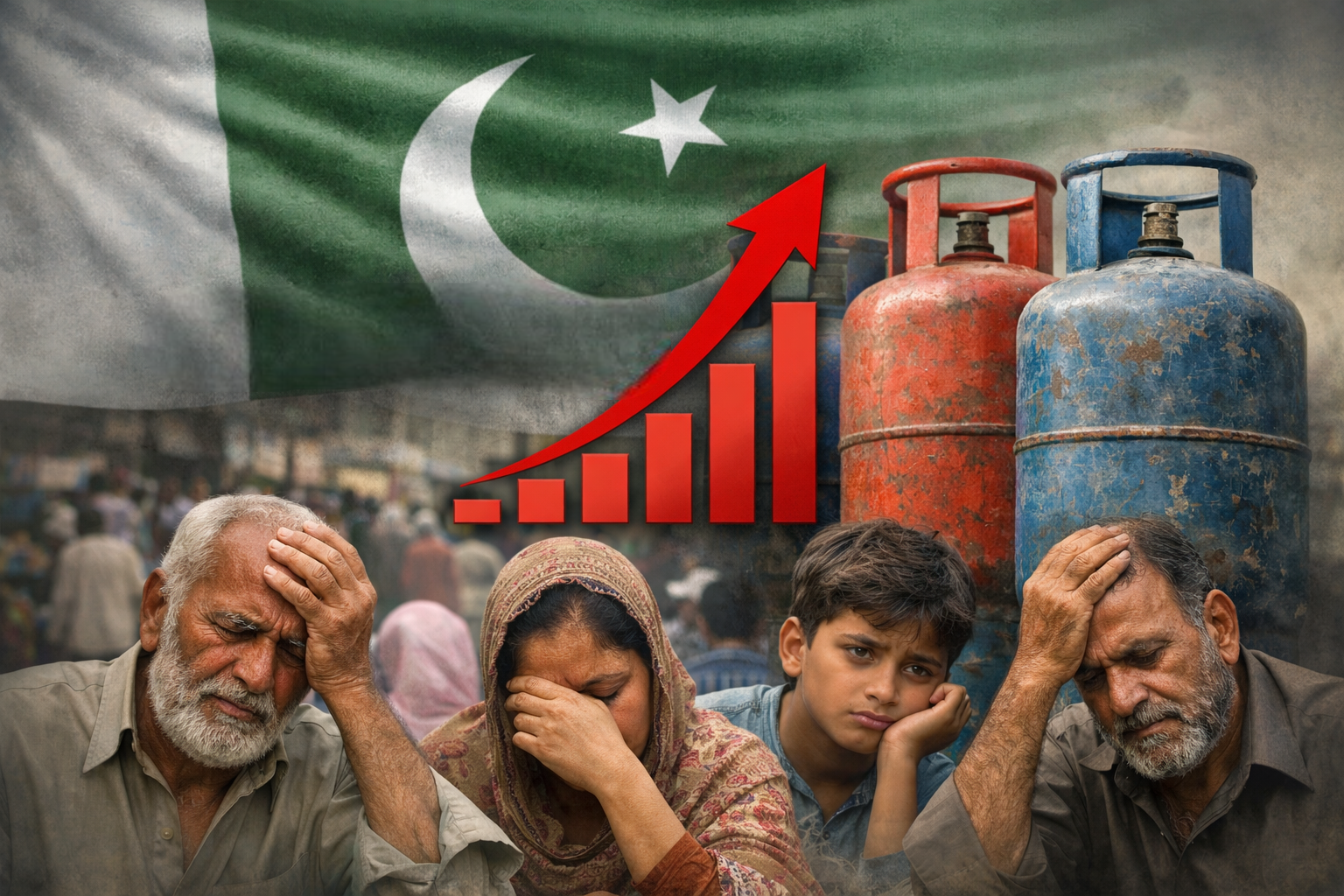
In recent days, LPG prices in major cities like Lahore and Multan have skyrocketed beyond Rs500/kg, creating widespread concern among households that rely on this fuel for daily cooking.
The official notified rate by the Oil and Gas Regulatory Authority (OGRA) stands at approximately Rs304 per kg for April 2026, yet market realities tell a different story. Retailers report selling LPG prices between Rs500 and Rs510 per kg, while they receive supplies at Rs480–490 per kg. This gap means ordinary citizens are paying significantly more than the government-fixed rate, adding extra pressure to already tight budgets.
This sudden rise in LPG prices isn’t just a number it’s affecting kitchens across Punjab and beyond. Families that once budgeted a certain amount for cooking gas now find themselves spending hundreds more every month. In this article, we’ll break down what’s happening with LPG prices, why they’ve climbed so sharply, how it impacts daily life, and what steps you can take to cope.
Why Have LPG Prices Surged in Lahore and Multan?
The recent spike in LPG prices has left many residents shocked. Reports from shopkeepers in Lahore and Multan confirm that the fuel is now being sold at Rs500–510 per kg in several areas. This marks one of the highest levels seen in recent memory, intensifying the financial strain on middle and lower-income families.
Just a few weeks ago, the situation was already tense. Earlier in April, market rates in Lahore hovered around Rs450–470 per kg despite the official cap. Now, that figure has pushed even higher in many localities. The jump comes on the heels of a significant official increase notified by OGRA at the start of the month.
For a typical 11.8 kg domestic cylinder, the government-set price is now around Rs3,588–3,589. That’s a hike of nearly Rs924 compared to March. Yet in practice, many consumers end up paying much more due to additional markups along the supply chain.
This discrepancy in LPG prices highlights a common issue in Pakistan’s energy market: the difference between notified rates and what people actually pay at the point of purchase.
Official vs Market Rates: Understanding the Gap
It’s important to separate the facts. According to OGRA notifications:
- Official LPG price per kg (April 2026): Approximately Rs304.12–304.15
- Official price for 11.8 kg domestic cylinder: Rs3,588.59–3,588.60
However, ground realities in cities like Lahore and Multan show LPG prices reaching Rs500/kg or more. Retailers often cite higher procurement costs, transportation expenses, and local supply-demand imbalances as reasons for the premium.
READ MORE: Imran Khan Cancelled Islamabad Jalsa
In some reports, consumers are being charged up to Rs200 extra per kg above the official rate. This overcharging adds up quickly for a full cylinder, it could mean an additional Rs2,000–2,500 or more depending on the exact weight and location.
Such gaps in LPG prices are not new but have become more pronounced amid global energy fluctuations and domestic supply challenges. Many families in urban areas without access to natural gas pipelines depend entirely on LPG cylinders, making them particularly vulnerable.
Impact on Households and Daily Life
The surge in LPG prices is putting immense pressure on Pakistani households, especially in Punjab where Lahore and Multan are key urban centers.
Think about a typical middle-class family in Lahore. They might use one or two 11.8 kg cylinders per month for cooking. At official rates, that’s already a noticeable increase from previous months. At market rates of Rs500/kg, the monthly cost can easily double or triple for heavier users.
Women managing kitchens report cutting back on elaborate meals or switching to quicker, less fuel-intensive recipes. Some families are now sharing cylinders with neighbors or buying in smaller quantities to manage cash flow. In Multan, where temperatures can still be warm but cooking needs remain constant, the higher LPG prices are forcing tough choices between food, fuel, and other essentials.
Low-income households are hit hardest. Many daily-wage earners who rely on roadside eateries or small tea stalls see their operational costs rise, which often gets passed on to customers through higher prices for parathas, tea, or cooked meals.
Beyond direct costs, the psychological pressure is real. When basic utilities become unpredictable, it adds to the overall sense of economic insecurity many Pakistanis feel amid ongoing inflation.
Broader Economic Effects of Rising LPG Prices
The ripple effects of climbing LPG prices extend far beyond individual kitchens. Small businesses, restaurants, bakeries, and even some industries that use LPG as fuel are facing higher input costs. This can contribute to broader inflationary trends, as these expenses often translate into increased prices for goods and services.
In the context of Pakistan’s economy, energy costs play a critical role. When LPG prices rise sharply, it affects everything from household budgets to commercial operations. Reduced purchasing power for families means less spending on other items, which can slow down local economies.
Agriculture and rural areas sometimes use LPG for specific purposes too, though piped gas or other fuels might be more common in some regions. Still, any sustained increase in energy costs adds to the cost-of-living challenges that policymakers continue to address.
Reasons Behind the Increase in LPG Prices
Several factors have converged to push LPG prices higher this April:
- Global Market Surge: A significant rise in international LPG benchmarks, partly linked to geopolitical tensions and supply disruptions in key producing regions, has driven up import costs. Pakistan imports a substantial portion of its LPG needs.
- OGRA Notification: The regulator implemented a 35% month-on-month increase, raising the per-kg rate by about Rs78.28. This was largely in response to higher Saudi Aramco Contract Prices and other global indicators.
- Supply Chain Issues: Even after the official hike, additional markups occur due to transportation, distributor margins, and occasional shortages. In cities like Lahore and Multan, local demand pressures can exacerbate the situation.
- Currency and Import Costs: Fluctuations in the Pakistani rupee against the US dollar make imported energy more expensive over time.
- Hoarding and Market Dynamics: In times of rising prices, some reports suggest panic buying or hoarding can temporarily tighten supply and push retail prices even higher.
These elements combined have created the perfect storm for the current spike in LPG prices across major cities.
Government Response and Regulatory Role
OGRA plays a central role in notifying maximum consumer prices for LPG each month. The authority aims to balance producer incentives with consumer protection, but enforcing these rates at the retail level remains challenging.
The government has faced criticism for the sharp official increase, yet authorities argue it was necessary to ensure continued supply amid global pressures. There have been calls for stricter monitoring of retail outlets to prevent excessive overcharging.
Consumers can report discrepancies through official channels or consumer protection bodies, though many feel the process is cumbersome. Long-term solutions often discussed include increasing local LPG production, improving infrastructure for natural gas, and exploring renewable energy options to reduce dependence on imported fuels.
For now, the focus remains on managing the immediate impact of these elevated LPG prices.
Practical Tips to Reduce LPG Consumption
While you can’t control global markets, you can take steps to stretch your cylinder further and ease the burden of high LPG prices:
- Use efficient cookware: Pressure cookers and wide-base pots save significant gas by reducing cooking time.
- Maintain your stove: Clean burners regularly for better flame efficiency.
- Batch cooking: Prepare larger quantities once and reheat as needed instead of cooking small meals multiple times a day.
- Insulate your cooking area: Simple covers or planning meals can minimize heat loss.
- Check for leaks: Even small leaks waste fuel and pose safety risks.
- Monitor usage: Weigh your cylinder before and after use to track consumption patterns.
Small habits like these can help families save 10–20% on their LPG usage, providing some relief when LPG prices are high.
Alternatives to LPG for Cooking in Pakistan
As LPG prices climb, many are exploring other options:
- Natural Gas (Sui Gas): Where available through pipelines, it’s often more economical, though connections can be limited and loadshedding affects supply.
- Electric Induction Cookers: With improving electricity availability in some areas, induction stoves are gaining popularity for their efficiency.
- Biogas: In rural setups, household biogas plants using waste can provide a sustainable alternative.
- Solar Cookers or Electric Alternatives: For certain dishes, these can supplement traditional methods.
- Kerosene or Coal Stoves: Still used in some lower-income or remote areas, though less convenient and with their own environmental drawbacks.
Switching entirely isn’t always feasible, but combining methods can help mitigate the impact of rising LPG prices.
FAQs
1. What is the current official LPG price per kg in Pakistan? The OGRA-notified rate for April 2026 is approximately Rs304 per kg. However, market rates in cities like Lahore and Multan have crossed Rs500 per kg.
2. Why are LPG prices higher in Lahore and Multan than the official rate? Supply chain markups, transportation costs, local demand, and occasional shortages lead to retailers charging more than the notified maximum.
3. How much has the 11.8 kg LPG cylinder price increased this month? The official price rose by around Rs924, taking it to approximately Rs3,588–3,589 per domestic cylinder.
4. What can consumers do about overcharging on LPG? Report instances to OGRA, local authorities, or consumer courts. Keeping receipts and noting weights can help support complaints.
5. Will LPG prices come down soon? It depends on global energy trends and local supply improvements. Monitoring official notifications and adopting efficient usage habits is recommended in the meantime.
Conclusion
The situation with LPG prices topping Rs500/kg in Lahore, Multan, and other cities is a stark reminder of how global and local factors directly touch everyday lives. While the official rate provides a benchmark, the reality at shops is putting real pressure on families trying to manage household expenses.
By understanding the reasons behind the surge in LPG prices, staying informed about official rates, and adopting smarter cooking habits, you can better navigate these challenging times. The hope is that authorities will work towards stabilizing supply and curbing excessive markups so that this essential fuel remains accessible to all.
In the end, every small step towards efficiency counts when LPG prices are under strain. Stay updated, use resources wisely, and share tips within your community together, we can ease the burden until more sustainable solutions emerge.