
A Major Blow to Militant Networks
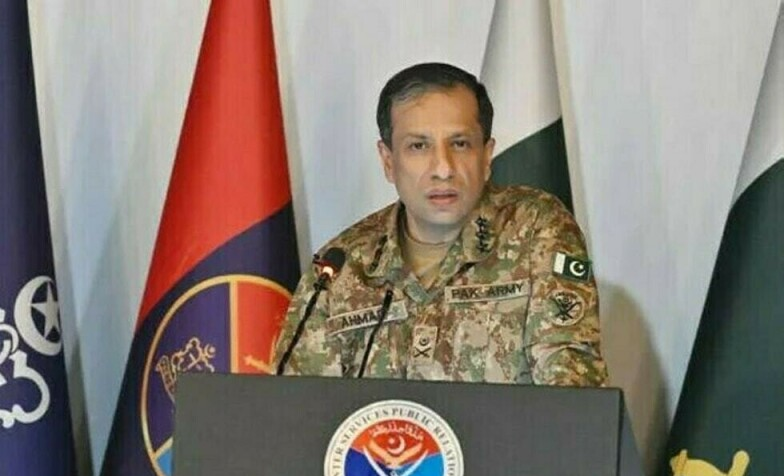
Pakistan’s security forces have struck a significant blow against terrorism, eliminating three Indian-linked Khawarij militants in intelligence-based operations in Khyber Pakhtunkhwa (KP) on November 4, 2025, as announced by the Inter-Services Public Relations (ISPR). The Indian-Linked Khawarij Militants Killed in North Waziristan and Bannu included key figures from the banned Tehreek-e-Taliban Pakistan (TTP) faction, armed with Indian-supplied weapons. The operations, conducted by the Pakistan Army and Frontier Corps, highlight the ongoing fight against cross-border terrorism, with ISPR confirming the militants were plotting attacks on civilians and security forces.
The announcement has been met with praise for the military’s vigilance, with social media users hailing the success. Here’s the full story on the Indian-Linked Khawarij Militants Killed, the operations, and their implications for Pakistan’s security.
What Led to the Indian-Linked Khawarij Militants Killed?
The Indian-Linked Khawarij Militants Killed took place in two separate intelligence-based operations on November 4, 2025, in KP’s North Waziristan and Bannu districts. In North Waziristan, security forces targeted a TTP hideout, eliminating two militants, including a high-value target named as a key planner for attacks in Peshawar. The in Bannu involved a third militant, with ISPR stating all three were armed with Indian-made weapons, including AK-47s and grenades, traced to RAW-supplied arms.
The Indian-Linked Khawarij Militants Killed were part of TTP’s Khawarij faction, labeled by Pakistan as ISIS affiliates. ISPR confirmed the militants were plotting suicide bombings in urban centers, with weapons recovered during the raids. The operations, lasting 45 minutes, had no casualties on the security side, showcasing precision tactics.
Why the Indian-Linked Khawarij Militants Killed Matter
The Indian-Linked Khawarij Militants Killed is a major victory in Pakistan’s counter-terrorism efforts, coming amid a 40% drop in attacks in 2025. The disrupts TTP’s network, which has claimed 200 lives this year. ISPR’s claim of Indian links underscores the cross-border threat, with the weapons traced to Faizabad in India, echoing allegations from the 2024 Pahalgam attack.
READ NEXT: Karachi Traffic Officer E-Challan Scam
The Indian-Linked Khawarij Militants Killed boosts morale in KP, where 1,500 troops are deployed. It signals Pakistan’s commitment to eradicating militancy, with the a step toward peace in merged tribal districts.
Public Reaction and Social Media Buzz
The Indian-Linked Khawarij Militants Killed news lit up social media on November 4, 2025. Supporters praised, with one posting,well done, forces!” Another shared, “No mercy for terrorists.” Hashtags like #IndianLinkedKhawarijMilitantsKilled trended, with ISPR’s press release going viral. A user wrote, praise the army!”
Skeptics questioned Indian links, but most celebrated the uniting voices in solidarity.
Challenges Amid the Success
The Indian-Linked Khawarij Militants Killed faces ongoing threats. TTP’s Khawarij faction, with 500 fighters, continues attacks, with 2025 seeing 200 deaths. The demands sustained ops, but KP’s terrain aids militants. Diplomatic tensions with India over arms claims complicate the narrative.
The requires intelligence sharing with Afghanistan, but cross-border issues persist.
A Glimmer of Security
The is a beacon of safety. It shows the forces’ prowess, with one X post saying,peace in sight!” The inspires confidence, reducing fear in KP.
The Indian-Linked Khawarij Militants Killed reflects heroism, making it a symbol of protection.
What’s Next After Indian-Linked Khawarij Militants Killed?
The Indian-Linked Khawarij Militants Killed will spur more ops, with ISPR planning raids in South Waziristan. The could lead to a joint Pak-Afghan task force. Intelligence upgrades, with drones and AI, aim to prevent attacks.
Citizens are urged to report suspicious activity. The Indian-Linked Khawarij Militants Killed is a chance for security. Stay tuned for updates on and the fight against terror.