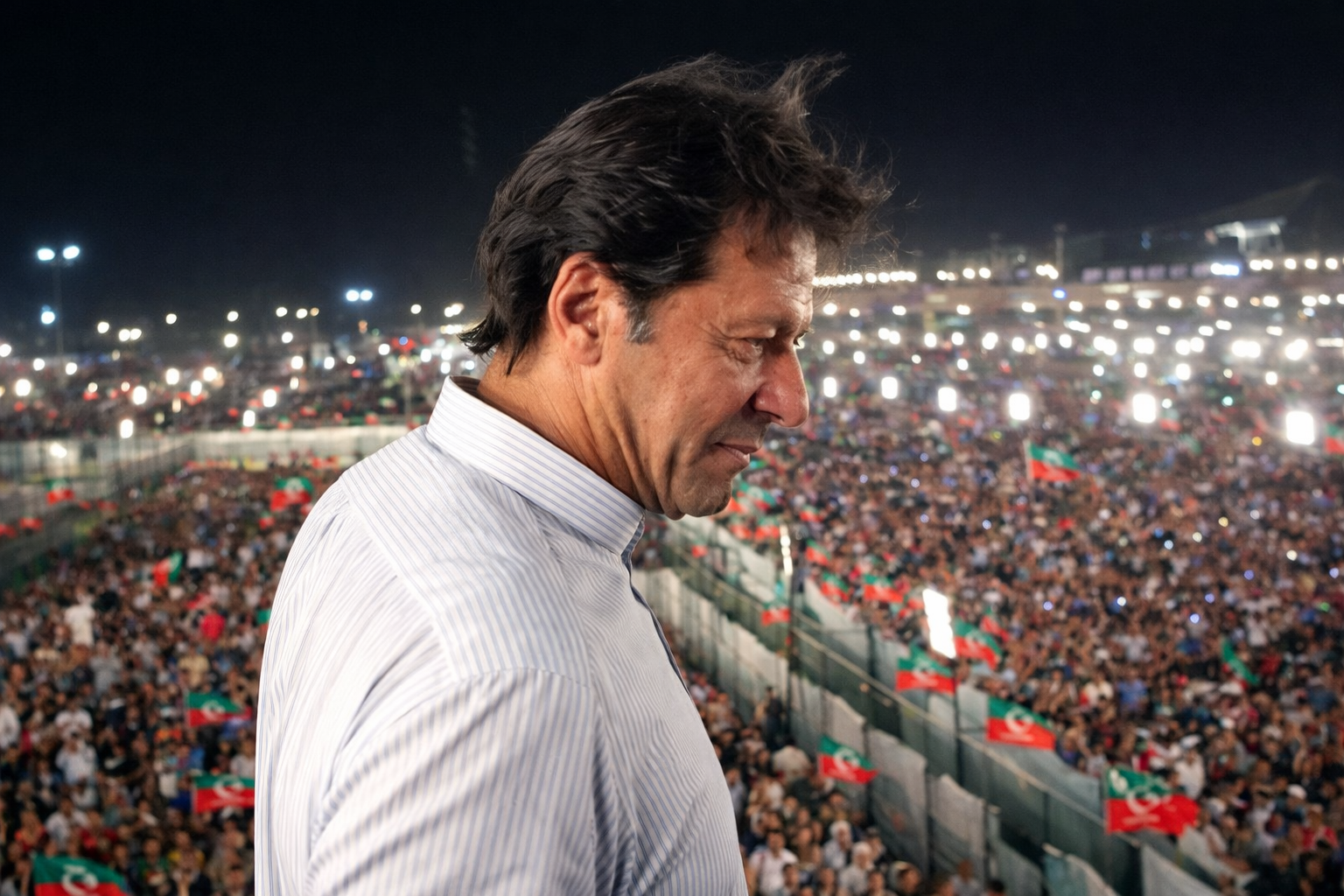
In a surprising yet thoughtful move, Imran Khan Cancelled Islamabad Jalsa the much-anticipated public rally planned by his party in the capital. PTI founder Imran Khan asked party chairman Barrister Gohar Ali Khan to pause all major political mobilization for now. This decision comes at a sensitive time when Islamabad is set to host high-stakes Iran-US peace talks beginning Friday, April 10, 2026.
Many PTI supporters were eagerly waiting for the jalsa, but Imran Khan chose to put national interest and diplomatic calm first. With Pakistan playing a key role in mediating a two-week ceasefire between Iran and the United States, the capital needs to stay peaceful and focused. This move has sparked conversations across the country: Is this mature politics, or a strategic pause?
The Iran-US peace talks have captured global attention after weeks of rising tensions. Pakistan helped broker the temporary ceasefire, and now Islamabad will welcome delegations for face-to-face negotiations. By cancelling the Islamabad jalsa, Imran Khan has ensured no large crowds or potential disruptions overshadow these important diplomatic efforts.
Why Imran Khan Cancelled Islamabad Jalsa
Imran Khan Cancelled Islamabad Jalsa after careful consideration of the current regional situation. Sources close to the party say the decision was made during internal meetings, keeping in mind the security and diplomatic sensitivity in Islamabad.
The rally, which was expected to draw large crowds, could have created logistical challenges or security concerns just as international delegations prepare to arrive. Imran Khan directed the party leadership to hold back on public events, emphasizing responsibility over immediate political gains.
read more: Abbas Araghchi Thanks Field Marshal Asim Munir and PM Shehbaz Sharif
This is not entirely new for PTI. The party has adjusted plans in the past when bigger national issues were at stake. But this time, with Iran-US peace talks taking center stage in Pakistan’s capital, the cancellation carries extra weight. It shows a willingness to support a calm environment for diplomacy.
Many see this as Imran Khan putting Pakistan first. In politics, rallies are powerful tools to energize supporters, but here the message is clear: national stability and successful peace efforts matter more right now.
Background of the Iran-US Peace Talks
Tensions between the United States and Iran had escalated sharply in recent months, raising fears of wider conflict in the Middle East. Things reached a point where a major escalation seemed possible, affecting global oil supplies and regional security.
Pakistan stepped in with active back-channel diplomacy. After intense efforts, a two-week ceasefire was announced, giving both sides breathing room. Now, the Iran-US peace talks are scheduled to begin on April 10, 2026, in Islamabad.
Iran has submitted a 10-point proposal that includes issues like lifting sanctions, nuclear concerns, and control over the Strait of Hormuz a vital waterway for global energy trade. The United States is also expected to bring its priorities to the table.
Prime Minister Shehbaz Sharif has invited both delegations and expressed hope that the “Islamabad Talks” will lead to a lasting agreement. The fact that these sensitive negotiations are happening in Pakistan highlights the country’s growing diplomatic importance.
Pakistan’s Role as Mediator
Pakistan has emerged as a trusted facilitator in this delicate situation. Through quiet diplomacy involving top civilian and military leadership, Islamabad helped bring the two sides closer.
The army chief and other officials reportedly stayed in constant contact to finalize the ceasefire framework. Pakistan’s neutral stance and good relations with both Iran and the broader Muslim world, alongside ties with the West, made it a suitable host.
By offering Islamabad as the venue, Pakistan is not just hosting talks it is actively shaping the narrative toward peace. Imran Khan Cancelled Islamabad Jalsa complements these efforts by avoiding any domestic noise that could distract from the main event.
This mediation role has earned praise from several quarters, though challenges remain. Some reports mention past hurdles, but both Iran and Pakistan have rejected claims of any deadlock. The coming days will show how fruitful these talks become.
Details of the Two-Week Ceasefire
The ceasefire, effective immediately after announcement, provides a 14-day window for negotiations. It covers hostilities “everywhere” and aims to prevent further escalation.
Key elements include:
- Temporary halt to military actions
- Focus on de-escalation around critical areas like the Strait of Hormuz
- Opportunity for direct and indirect talks
- Framework for a possible longer-term “Islamabad Accord”
Iran’s proposal covers lifting sanctions, regional security guarantees, and compensation matters. The United States, under President Trump’s administration, is looking for a conclusive settlement.
Pakistan has thanked supporting countries like China, Saudi Arabia, Turkey, Egypt, and Qatar for backing the peace process. The two-week period is seen as a test if successful, it could pave the way for broader stability in the region.
Impact on PTI Supporters and Future Plans
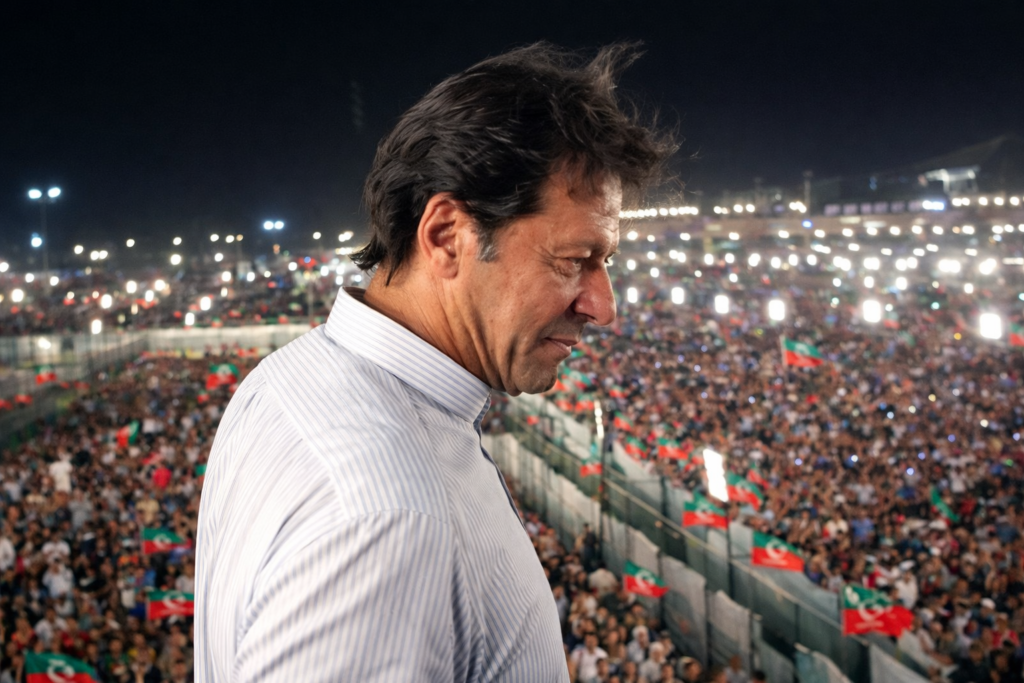
For PTI workers and fans of Imran Khan, the cancellation of the Islamabad jalsa was unexpected. Many had planned to travel to the capital and show their support.
However, party leaders have assured supporters that this is only a temporary pause. The core issues including demands related to Imran Khan’s situation and broader political goals remain on the agenda.
Barrister Gohar Ali Khan and other senior figures are expected to keep the party’s voice active through statements and smaller-scale activities. Once the diplomatic situation stabilizes, PTI may announce a new date for the rally or similar events.
This decision has also sparked internal discussions about balancing street politics with responsible governance, especially when Pakistan is in the international spotlight.
Reactions from Across Pakistan
Social media has been buzzing since news broke that Imran Khan Cancelled Islamabad Jalsa. Supporters offered mixed views some called it a wise and mature step, praising Imran Khan for prioritizing the country’s image during sensitive Iran-US peace talks.
Others expressed disappointment but understood the bigger picture. Political analysts noted that avoiding large gatherings in Islamabad right now helps maintain a peaceful atmosphere for the talks.
Across television channels and online forums, people are discussing how domestic politics and international diplomacy often intersect. Many appreciate the gesture as a sign of political maturity in tense times.
What This Means for Regional Stability
The Iran-US peace talks in Islamabad carry implications far beyond Pakistan’s borders. Success could reduce tensions in the Middle East, stabilize energy markets, and open doors for economic cooperation.
For Pakistan, hosting these talks successfully would boost its global standing as a peace broker. It also highlights how the country can play a constructive role even while dealing with its own internal challenges.
Imran Khan Cancelled Islamabad Jalsa adds a domestic layer to this story. It shows leaders across the spectrum sometimes need to step back for larger goals. If the talks yield positive results, it could create a ripple effect of stability that benefits the entire region.
Challenges like differing demands and external influences remain, but the current ceasefire and upcoming negotiations offer real hope.
FAQs
1. Why did Imran Khan cancel the Islamabad jalsa? Imran Khan Cancelled Islamabad Jalsa to avoid any disruption during the sensitive Iran-US peace talks being hosted in Islamabad. The focus is on maintaining calm and supporting Pakistan’s mediation role.
2. When will the Iran-US peace talks start in Islamabad? The talks are scheduled to begin on Friday, April 10, 2026. Delegations from both sides have been invited for negotiations following the two-week ceasefire.
3. What is the two-week ceasefire about? It is a temporary halt to hostilities between the US and Iran, brokered with Pakistan’s help. It provides time for deeper discussions on long-term peace, sanctions, and regional security.
4. Will PTI reschedule the Islamabad jalsa? Party leaders have indicated this is a pause, not a complete cancellation of plans. A new date may be announced once the diplomatic situation becomes clearer.
5. How is Pakistan benefiting from hosting these talks? Successful mediation can enhance Pakistan’s international image, strengthen diplomatic ties, and contribute to regional peace that indirectly benefits its own security and economy.
Conclusion
Imran Khan Cancelled Islamabad Jalsa at a pivotal moment, choosing diplomacy and national calm over a major political show of strength. As Islamabad prepares to host the Iran-US peace talks starting April 10, this decision reflects a broader understanding that peace efforts deserve space to succeed.
Whether you support PTI or simply follow current affairs, this development reminds us how connected local politics and global events can be. The coming days will be crucial not just for the talks, but for how Pakistan balances its internal dynamics with its role on the world stage.
Many hope the Iran-US peace talks lead to lasting de-escalation. If they do, Imran Khan’s move to cancel the Islamabad jalsa may be remembered as a responsible contribution to that bigger goal.
Stay tuned for updates as the negotiations unfold. Pakistan’s capital is once again at the center of important history in the making and this time, quiet streets might help louder diplomatic breakthroughs.