A Shocking Verdict in Bangladesh’s Reckoning
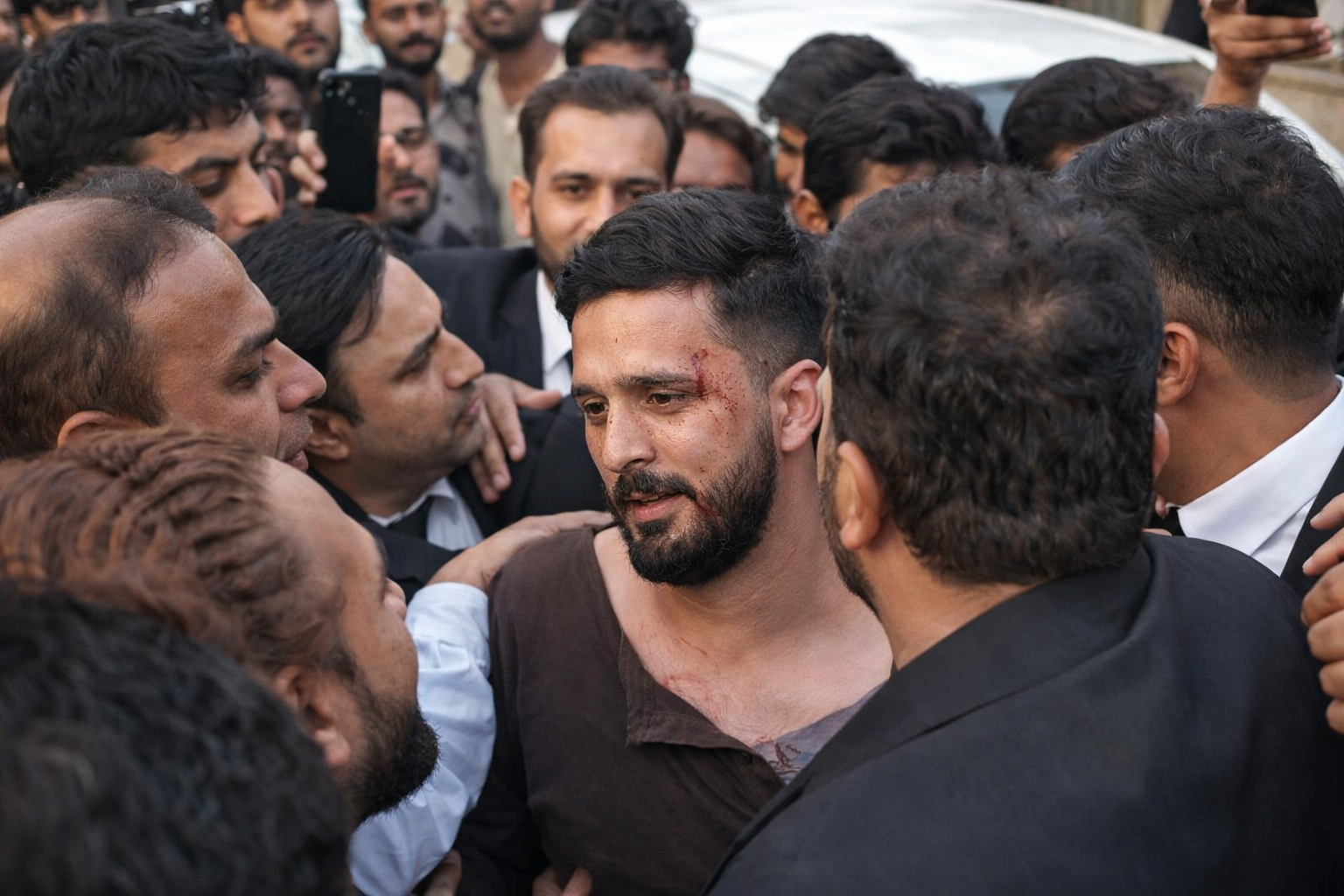
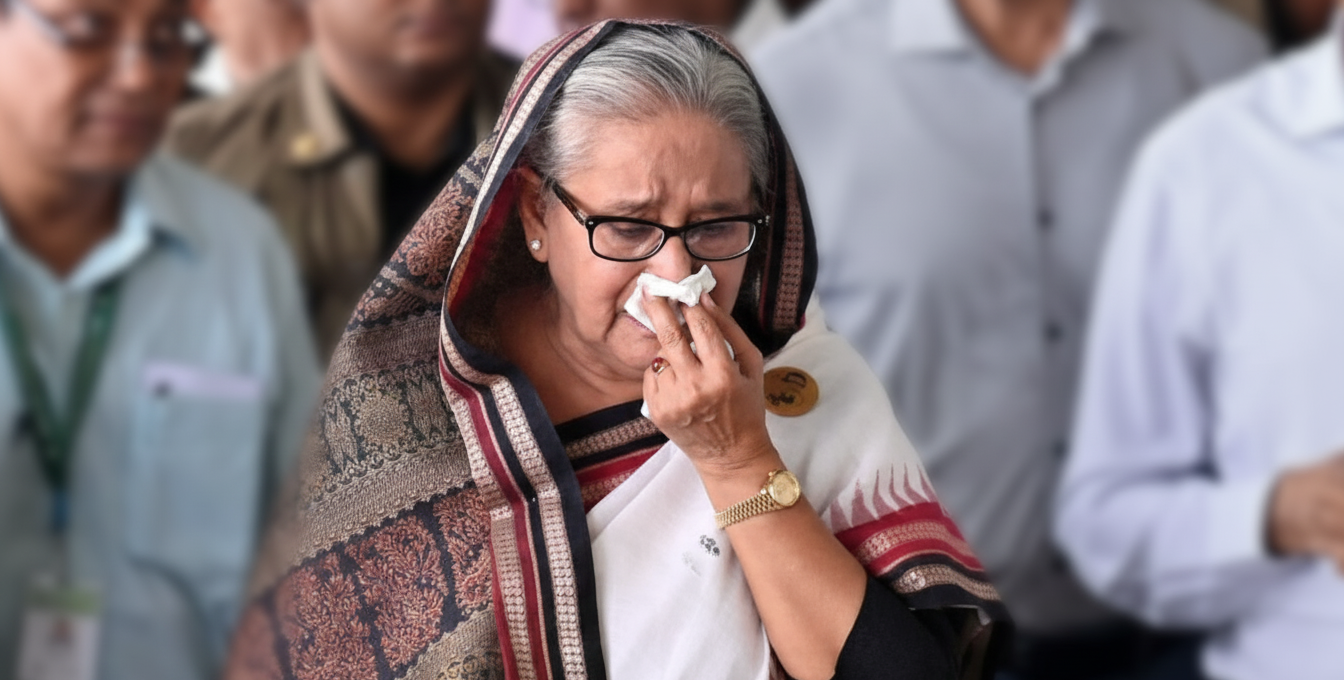
In a courtroom drama that’s gripped the nation, Bangladesh’s deposed Prime Minister Sheikh Hasina Wajid was handed a death sentence on November 18, 2025, for her role in the brutal 2009 crackdown on student protesters, marking a dramatic turn in the country’s post-uprising purge. The Hasina Wajid Death Sentence, delivered by a special tribunal in Dhaka, stems from the violent suppression of the Bangladesh Nationalist Student Alliance (BNSA) protests, where security forces killed 74 demonstrators and injured hundreds. The has sent shockwaves through political circles, with Hasina, 78, convicted in absentia for ordering the crackdown during her first term as PM.
The Hasina Wajid Death Sentence verdict has divided Bangladesh, with supporters hailing it as justice and critics calling it vengeance. Here’s the full story on the the 2009 events, and the fallout from this explosive ruling.
What Led to the Hasina Wajid Death Sentence?
The Hasina Wajid Death Sentence was pronounced by the International Crimes Tribunal (ICT) in Dhaka after a six-month trial that featured witness testimonies from survivors of the 2009 BNSA protests. The charges accused Hasina of crimes against humanity, including murder and torture, for directing police and Rapid Action Battalion (RAB) forces to fire on unarmed students protesting election reforms. The trial, which began in May 2025 under the interim government led by Muhammad Yunus, relied on declassified documents and video evidence showing RAB units storming Dhaka University, killing 74 and wounding 300.
Hasina, who fled to India in August 2024 amid student-led protests, was represented by lawyers who called the Hasina Wajid Death Sentence a “witch hunt.” The is the first major conviction since her ouster, with the tribunal sentencing her to hang by the neck until dead.
Why the Hasina Wajid Death Sentence is a Flashpoint
The Hasina Wajid Death Sentence is a seismic event in Bangladesh’s turbulent politics, where Hasina’s Awami League ruled for 15 years with an iron fist. The revives memories of the 2009 crackdown, when BNSA students demanded fair elections, only to face live ammunition. The Hasina Wajid Death Sentence has galvanized the youth, who led her downfall in 2024, but risks deepening divisions in a nation where 70% of 170 million people are Muslim and sensitive to justice issues.
READ NEXT: South Africa Ends 15 Year Wait India Win
The Hasina Wajid Death Sentence also tests the Yunus government’s legitimacy, as critics fear it could spark Awami League backlash. The underscores the push for accountability, with 1,500 cases pending against Hasina’s regime.
Public Reaction and Social Media Buzz
The Hasina Wajid Death Sentence verdict sent X into overdrive on November 18, 2025. Protesters celebrated, one posting,justice for 2009!” Another shared, “No more tyranny.” Hashtags #HasinaWajidDeathSentence trended, with tribunal footage going viral. A user wrote, victory for students!”
Awami League supporters decried it, political murder!” The buzz is polarized, uniting victims but dividing the nation.
Challenges Amid the Hasina Wajid Death Sentence
The Hasina Wajid Death Sentence faces appeals, with Hasina’s lawyers planning to challenge it in the Appellate Division. The risks unrest, as Awami League holds 40% support in rural areas. The demands extradition from India, where Hasina lives in exile.
The also strains India-Bangladesh ties, with New Delhi calling it “internal matter.” The tests Yunus’s interim rule.
A Glimmer of Accountability
The is a beacon of reckoning. It honors 2009 victims, one post saying,truth prevails!” The inspires hope for fair trials, making it a symbol of change.
The Hasina Wajid Death Sentence reflects courage, a call for justice.
What’s Next for Hasina Wajid Death Sentence?
The Hasina Wajid Death Sentence appeals start November 25, 2025. The could lead to more trials for Hasina’s aides. The demands OIC support for Bangladesh’s transition.
Supporters are urged to stand for accountability. The is a milestone. Stay tuned for updates on and Bangladesh’s healing.