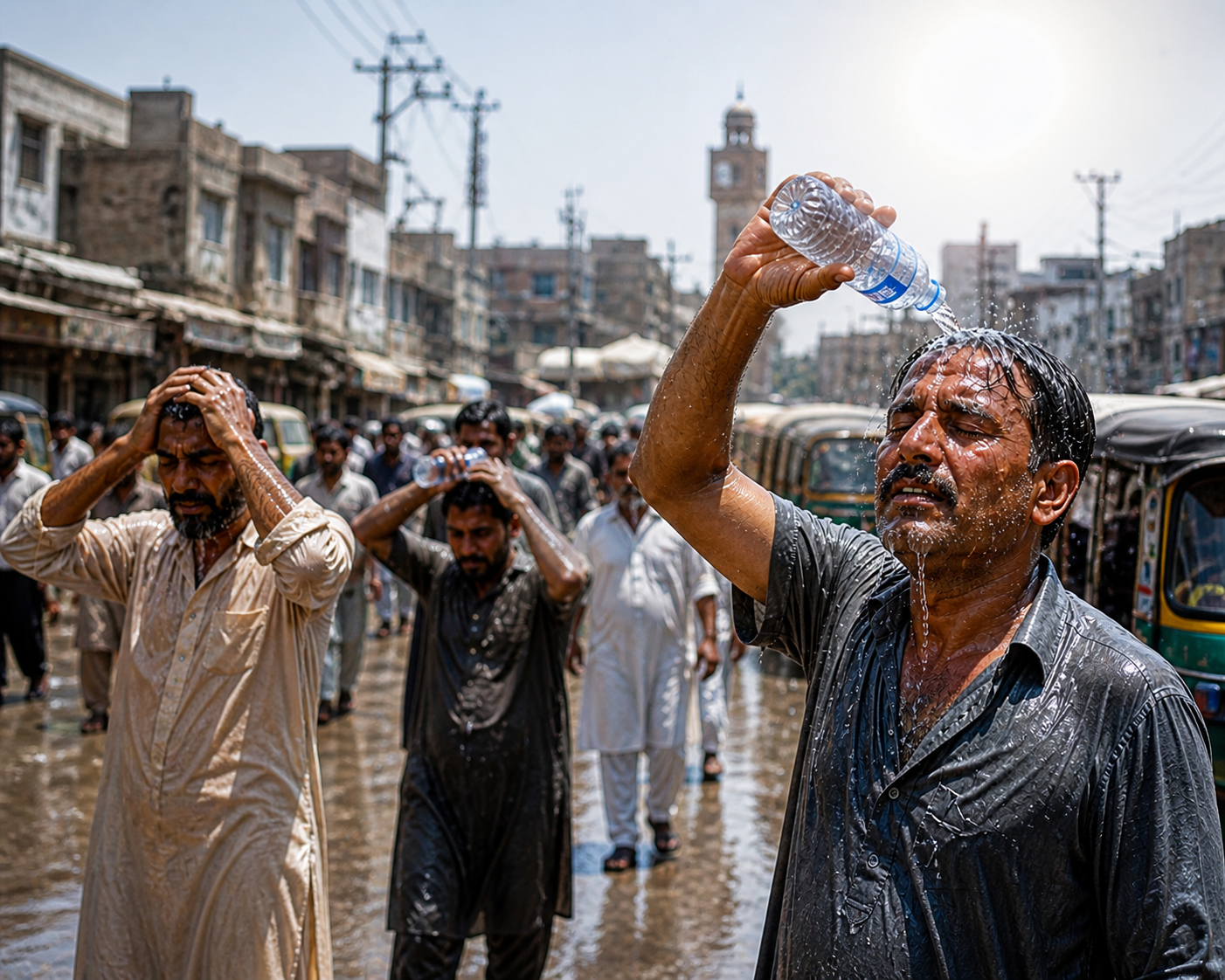
Karachi is once again facing a deadly combination of extreme weather and public health challenges. In a tragic incident, a lethal heatwave Karachi has contributed to multiple deaths, with at least eight people losing their lives in a single day due to intense heat and suspected drug overdoses.
On May 4, 2026, rescue officials recovered several bodies from different parts of the city. While some deaths were directly linked to heatstroke, others involved individuals with drug addiction who were highly vulnerable to the soaring temperatures. This unfortunate event highlights how a lethal heatwave Karachi can turn even more dangerous when mixed with substance abuse and poor living conditions.
As temperatures continue to rise, authorities are urging citizens to take immediate precautions.
What Happened in Karachi Today
Rescue services and police reported recovering eight bodies from various locations including Manghopir, Gulshan-e-Hadeed, Defence Phase 8, Clifton, and areas near the Super Highway.
Out of these, at least two to three deaths were attributed to suspected drug overdoses, while others appeared to be heat-related. Many of the deceased were homeless or drug addicts living in harsh outdoor conditions.
This spike in fatalities has raised serious concerns as Karachi experiences one of its early intense heat spells in May 2026.
Details of the Lethal Heatwave Karachi Incidents
According to rescue officials:
- Several bodies were found on roadsides and in open areas.
- Three deaths were linked to drug overdoses in Manghopir, Gulshan-e-Hadeed, and Defence.
- Four people died while undergoing treatment in hospitals.
- One death was directly attributed to extreme heat exposure.
These cases occurred as Karachi recorded significantly high temperatures with high humidity, making the heat feel even more oppressive.
Why Drug Addicts Face Higher Risk During Heatwave
Drug users, particularly those addicted to substances like heroin or ice, often have compromised health. During a lethal heatwave Karachi, their bodies struggle more with dehydration and overheating.
Many addicts avoid drinking enough water, stay outdoors without shelter, and have poor nutrition. This combination makes them extremely vulnerable. Similar patterns were observed in previous heatwaves where a large number of unidentified bodies belonged to drug users.
Current Weather Situation and Forecasts
The Pakistan Meteorological Department (PMD) has warned of continued hot and humid conditions. Daytime temperatures are expected to remain between 39–41°C, with heat index values reaching up to 46°C in some areas.
READ NEXT: Ishaq Dar Regional Peace Efforts with Iran, Jordan
Such conditions significantly increase the risk of heatstroke, especially for outdoor workers, the elderly, and vulnerable populations.
Health Risks Associated with Lethal Heatwave Karachi
A lethal heatwave Karachi can cause:
- Heat exhaustion and heatstroke
- Dehydration and electrolyte imbalance
- Aggravation of heart, kidney, and respiratory conditions
- Increased mortality among vulnerable groups
When combined with drug use, the risks multiply due to impaired body temperature regulation.
Government and Rescue Services Response
Sindh Chief Minister Murad Ali Shah has sought a detailed report on the incidents. Rescue services including Edhi Foundation, Chhipa Welfare, and Rescue 1122 are working round the clock. Cooling camps and heatstroke treatment centers have been activated in different parts of the city.
Health authorities are advising people to avoid unnecessary outdoor activities during peak heat hours (11 AM to 4 PM).
How to Stay Safe During a Heatwave
Here are practical tips to protect yourself and your family:
- Stay hydrated drink plenty of water and oral rehydration solutions
- Avoid direct sunlight and stay indoors during peak hours
- Wear light-colored, loose clothing
- Never leave children or elderly alone in closed vehicles
- Check on elderly neighbors and vulnerable people
- For drug users: Seek help from rehabilitation centers as heat increases overdose risks
Long-term Challenges for Karachi
Recurring heatwaves highlight deeper issues including:
- Climate change impact on urban centers
- Lack of adequate shelter for homeless populations
- Rising drug addiction problem
- Strain on public healthcare infrastructure
- Need for better urban planning and heat action plans
Karachi needs sustainable solutions beyond emergency responses.
Frequently Asked Questions (FAQs)
1. How many deaths occurred due to the lethal heatwave in Karachi today? At least eight people died on May 4, 2026, from a combination of extreme heat and suspected drug overdoses.
2. Are drug overdoses directly related to the heatwave? Yes, extreme heat worsens the condition of drug users, making overdoses and heat-related complications more likely.
3. What is the current temperature in Karachi? Temperatures are hovering between 39–41°C with high humidity, creating dangerous heat index levels.
4. Who is most at risk during this lethal heatwave Karachi? Outdoor workers, elderly people, children, homeless individuals, and drug addicts face the highest risk.
5. What should I do if someone shows heatstroke symptoms? Move them to a cool place, apply wet cloths, give fluids if conscious, and rush to the nearest hospital immediately.
Conclusion
The recent deaths due to the lethal heatwave Karachi combined with drug overdoses serve as a painful reminder of how deadly extreme weather can become, especially for the most vulnerable. While immediate rescue efforts are underway, this incident highlights the urgent need for better preparedness, addiction rehabilitation support, and long-term climate adaptation strategies.
As temperatures remain high, every citizen must play their part by staying safe and helping others. Small actions today can save lives during this lethal heatwave Karachi.
Stay updated with official weather and health advisories. Let’s hope for cooler days ahead and stronger preventive measures from the authorities.
Share this article to spread awareness. Your comments and suggestions are welcome below.