In a significant diplomatic development, Deputy Prime Minister and Foreign Minister Ishaq Dar engaged in high-level conversations with top diplomats from Iran and Jordan. These Ishaq Dar regional peace talks highlight Pakistan’s active role in promoting stability in a volatile region.
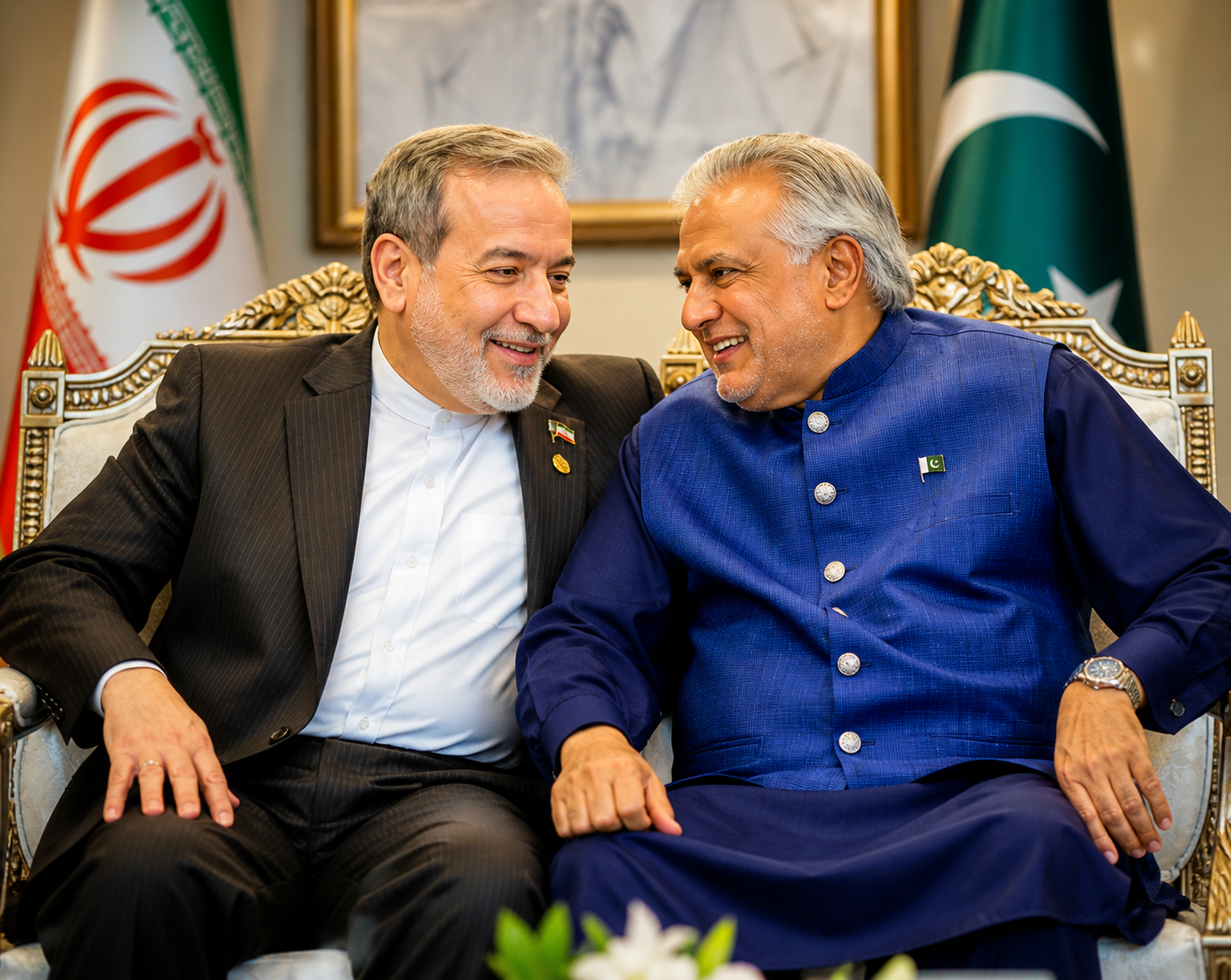
On May 4, 2026, Ishaq Dar spoke separately with Iranian Foreign Minister Seyed Abbas Araghchi and Jordanian Deputy Prime Minister and Foreign Minister Ayman Safadi. The discussions focused on the evolving regional situation and Pakistan’s continued efforts to encourage dialogue and peaceful resolutions.
At a time when tensions in the Middle East remain high, Pakistan’s diplomatic outreach sends a clear message: constructive engagement through diplomacy is the only sustainable path forward.
Table of Contents
- Background of Ishaq Dar Regional Peace Efforts
- Details of Call with Iranian Foreign Minister
- Conversation with Jordanian FM Ayman Safadi
- Pakistan’s Broader Role in Regional Stability
- Key Challenges in the Current Regional Landscape
- Why Diplomacy Matters: Pakistan’s Perspective
- Bilateral Relations and Future Cooperation
- FAQs
- Conclusion
Background of Ishaq Dar Regional Peace Efforts
Pakistan has long positioned itself as a responsible actor in international affairs, especially in the Muslim world. Under the current government, Ishaq Dar regional peace initiatives have gained momentum as Islamabad actively reaches out to key players amid complex geopolitical challenges.
These latest calls come in the backdrop of ongoing tensions involving Iran, broader Middle East conflicts, and their potential impact on global energy markets and security.
Details of Ishaq Dar’s Call with Iranian Foreign Minister
During the late-night phone conversation with Seyed Abbas Araghchi, Ishaq Dar and his Iranian counterpart reviewed the current regional developments. Both leaders stressed the importance of sustained diplomatic efforts for peace and stability.
READ NEXT: KP Free Cancer Treatment: CM Sohail Khan’s Order
The Iranian side reportedly thanked Pakistan for its constructive mediation role and efforts to facilitate dialogue between conflicting parties. Ishaq Dar reaffirmed Pakistan’s commitment to promoting constructive engagement and peaceful resolution of disputes through dialogue.
Ishaq Dar Regional Peace Talks with Jordan
In a separate call, Jordan’s Deputy Prime Minister and Foreign Minister Ayman Safadi appreciated Pakistan’s consistent efforts for peace. Safadi praised Islamabad’s role in fostering dialogue and regional stability.
Both sides discussed the evolving situation in the region and agreed to maintain close coordination. The conversation also touched upon strengthening bilateral ties between Pakistan and Jordan in various sectors.
Pakistan’s Constructive Role in Regional Stability
Pakistan’s foreign policy under Ishaq Dar emphasizes neutrality, mediation, and promotion of peace. The country’s strategic location, deep historical ties with both Iran and Arab nations, and strong diplomatic network make it a natural bridge-builder.
Recent Ishaq Dar regional peace engagements reflect Islamabad’s desire to:
- Reduce tensions between major regional players
- Prevent spillover effects of conflicts
- Protect economic interests of developing nations
- Promote unity within the Islamic world
Key Challenges in the Current Regional Landscape
The Middle East continues to face multiple flashpoints including the aftermath of conflicts, energy security concerns, and geopolitical rivalries. These issues directly affect Pakistan through trade routes, remittances, and energy imports.
Experts note that without sustained diplomatic efforts like the recent Ishaq Dar regional peace talks, the risk of escalation remains high. Economic disruptions from regional instability often hit developing countries the hardest.
Why Diplomacy Remains the Best Path
Ishaq Dar has repeatedly highlighted that dialogue and peaceful negotiations offer the only viable solution. Military confrontations create long-term instability, while diplomacy builds lasting frameworks for cooperation.
Pakistan’s approach focuses on:
- Inclusive engagement of all stakeholders
- Respect for sovereignty and territorial integrity
- Economic cooperation as a tool for peace
- Multilateral forums like the UN and OIC
Strengthening Bilateral Ties with Iran and Jordan
Beyond immediate regional issues, the recent calls also served to reinforce Pakistan’s strong bilateral relationships. With Iran, cooperation in trade, energy, and border security remains important. With Jordan, Pakistan enjoys warm ties in defense, education, and people-to-people contacts.
These conversations help maintain momentum in bilateral cooperation while addressing wider regional concerns.
Frequently Asked Questions (FAQs)
1. What was discussed in Ishaq Dar regional peace talks? The calls focused on the current regional situation, peace efforts, and Pakistan’s role in promoting dialogue and stability.
2. Who did Ishaq Dar speak with on May 4, 2026? He held separate telephone conversations with Iranian FM Seyed Abbas Araghchi and Jordanian FM Ayman Safadi.
3. Why is Pakistan involved in regional peace efforts? Pakistan believes in diplomacy as a tool for stability and wants to protect its economic and security interests while contributing positively to the Muslim world.
4. Will these talks lead to immediate results? While immediate breakthroughs are rare in complex issues, such diplomatic engagements help reduce tensions and keep communication channels open.
5. How can these efforts benefit Pakistan? Successful regional peace would boost trade, energy security, and overall economic stability for Pakistan.
Conclusion
The recent Ishaq Dar regional peace talks with Iranian and Jordanian ministers underscore Pakistan’s proactive diplomatic stance. By engaging key regional players, Deputy Prime Minister Ishaq Dar is working to promote dialogue, reduce tensions, and foster stability in a challenging environment.
These efforts reflect Pakistan’s commitment to peace through constructive engagement. As the situation evolves, continued diplomacy will remain crucial for long-term regional harmony.
Pakistan’s balanced approach not only protects its national interests but also contributes meaningfully to global peace efforts. In times of uncertainty, such initiatives bring hope for a more stable and prosperous region.
What are your thoughts on Pakistan’s role in regional peace? Share your views in the comments below.