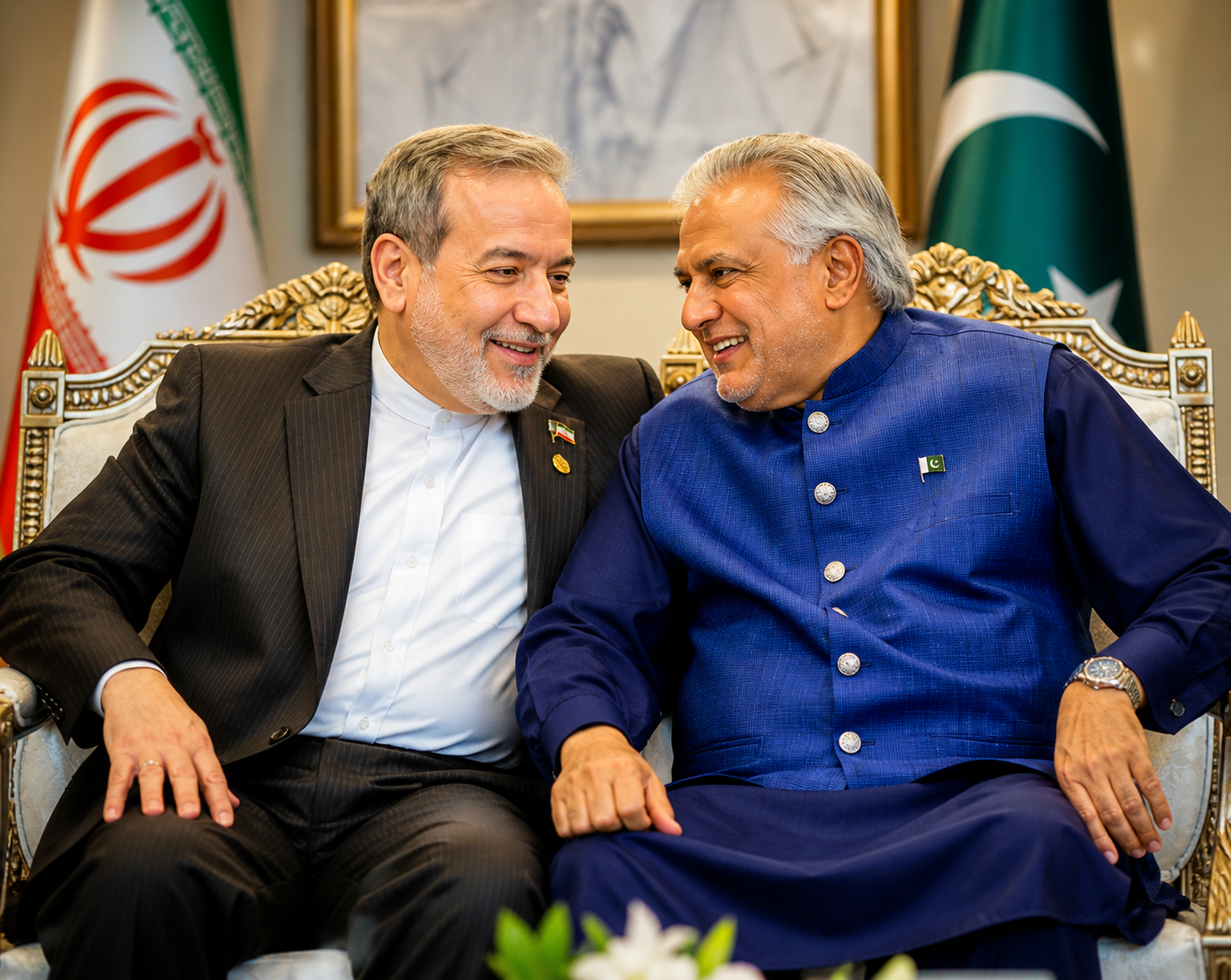
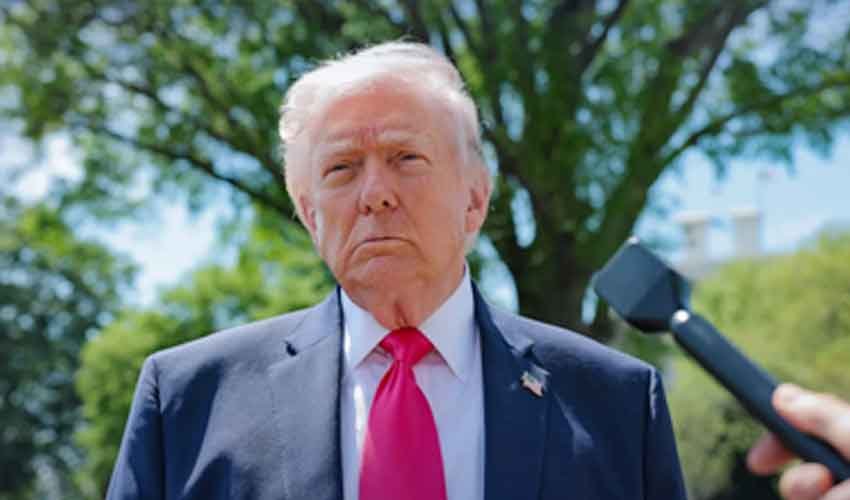
US President Donald Trump has confirmed that the next Iran negotiation round is scheduled for Tuesday in Islamabad, Pakistan. This upcoming meeting comes as both Washington and Tehran seek to extend a fragile ceasefire and address longstanding issues, including the Strait of Hormuz, sanctions, and regional security.
The announcement has raised hopes for de-escalation in the Middle East while highlighting Pakistan’s critical role as a neutral mediator. With the first round of direct talks ending without a full breakthrough, the next Iran negotiation round in Islamabad could prove decisive in shaping the future of US-Iran relations.
For Pakistanis, this development is significant. It underscores Islamabad’s growing influence in global diplomacy and brings attention to the country’s capital as a venue for high-stakes international talks.
Trump’s Announcement on the Next Iran Negotiation Round
President Donald Trump made the announcement on Sunday, stating that American negotiators will head to Pakistan for the next Iran negotiation round on Tuesday. He confirmed that a high-level team will arrive in Islamabad on Monday to prepare for the discussions.
Trump described the upcoming talks as an important opportunity to build on the recent ceasefire and push for a more permanent resolution. He emphasized that the goal is to prevent any resumption of hostilities that could destabilize the region and affect global energy markets.
Background of the US-Iran Conflict and Ceasefire
Tensions between the United States and Iran escalated sharply in recent months, leading to direct military exchanges and fears of a wider regional war. A fragile ceasefire was later established, partly through diplomatic efforts involving Pakistan and other regional players.
The ceasefire has held for now, but it remains time-sensitive. The next Iran negotiation round aims to extend this pause and address core disputes before the truce expires. Issues such as Iran’s nuclear program, regional influence, sanctions relief, and security in the Strait of Hormuz remain at the center of discussions X.
What Happened in the First Round of Talks in Islamabad
The initial round of face-to-face negotiations took place in Islamabad earlier this month. It marked one of the highest-level direct engagements between the US and Iran in decades.
The talks, which lasted over 20 hours, were described as intense and constructive by some participants, but they ended without a comprehensive agreement. Both sides left the door open for further dialogue, setting the stage for the next Iran negotiation round.
Pakistan played a key facilitative role, providing the venue and logistical support while maintaining close coordination with both delegations.
Key Issues Expected in the Next Iran Negotiation Round
Several critical topics are likely to dominate the next Iran negotiation round in Islamabad:
- Extension or formalization of the current ceasefire
- Security and freedom of navigation in the Strait of Hormuz
- Sanctions relief and economic measures
- Iran’s nuclear activities and verification mechanisms
- Regional proxy conflicts and de-escalation steps
Progress on even one or two of these issues could significantly reduce tensions and open the path for longer-term stability.
Composition of the US Delegation
According to reports, the US team for the next Iran negotiation round will include high-profile figures such as Vice President JD Vance, Special Envoy Steve Witkoff, and senior adviser Jared Kushner. This strong delegation signals the seriousness with which the Trump administration is approaching the talks.
READ NEXT: Engineer Mirza Safe After Jhelum Shooting; Attacker Shot Dead On Spot
The inclusion of experienced negotiators suggests the US is prepared for detailed and potentially lengthy discussions.
Pakistan’s Role as Mediator
Pakistan has once again emerged as a trusted intermediary. By hosting the next Iran negotiation round in Islamabad, the country is providing a neutral and secure platform for sensitive diplomacy.
Pakistani officials, including high-level civilian and military leaders, have been actively engaged in backchannel communications to help narrow differences between the two sides. This role enhances Pakistan’s international standing and demonstrates its commitment to regional peace.
Iran’s Position and Possible Challenges
Iran has shown willingness to engage but has also set clear conditions for any agreement. Tehran is expected to push for meaningful sanctions relief and guarantees against future military threats.
Challenges in the next Iran negotiation round may include deep mistrust between the parties, domestic political pressures on both sides, and the complexity of balancing multiple interconnected issues. Success will require flexibility, patience, and strong mediation support.
Potential Outcomes and Global Implications
A successful next Iran negotiation round could lead to an extended ceasefire, reduced risk of conflict, and gradual normalization of economic ties. Failure, on the other hand, might result in renewed escalation with serious consequences for global oil prices and regional stability.
The world is watching closely. Markets, energy companies, and governments in the Gulf and beyond have a direct stake in the outcome of these talks in Islamabad.
FAQs
1. When is the next Iran negotiation round scheduled? The next Iran negotiation round is set for Tuesday in Islamabad, with US negotiators arriving on Monday.
2. Who will represent the United States in the talks? The US delegation is expected to include Vice President JD Vance, Steve Witkoff, and Jared Kushner.
3. What is the main goal of the next Iran negotiation round? The primary aim is to extend the fragile ceasefire and make progress on key disputes such as the Strait of Hormuz and sanctions.
4. Why is Pakistan hosting these negotiations? Pakistan serves as a neutral mediator with good relations with both the US and Iran, making Islamabad a suitable and secure venue.
5. What could happen if the talks fail? Failure to reach an understanding might lead to the expiry of the ceasefire and potential resumption of hostilities in the region.
Conclusion
The announcement that the next Iran negotiation round is set for Tuesday in Islamabad brings renewed hope for peace in a volatile region. President Trump’s confirmation of the talks reflects a continued commitment to diplomacy over confrontation.
Pakistan’s role in facilitating these high-stakes discussions is commendable and positions the country as an important player in international conflict resolution. While challenges remain, the next Iran negotiation round offers a valuable opportunity for both sides to narrow differences and work toward a more stable future.
As delegations prepare to gather in Islamabad, the world will be watching whether this round can deliver meaningful progress or if further rounds will be needed. For now, the focus remains on dialogue, de-escalation, and finding common ground.