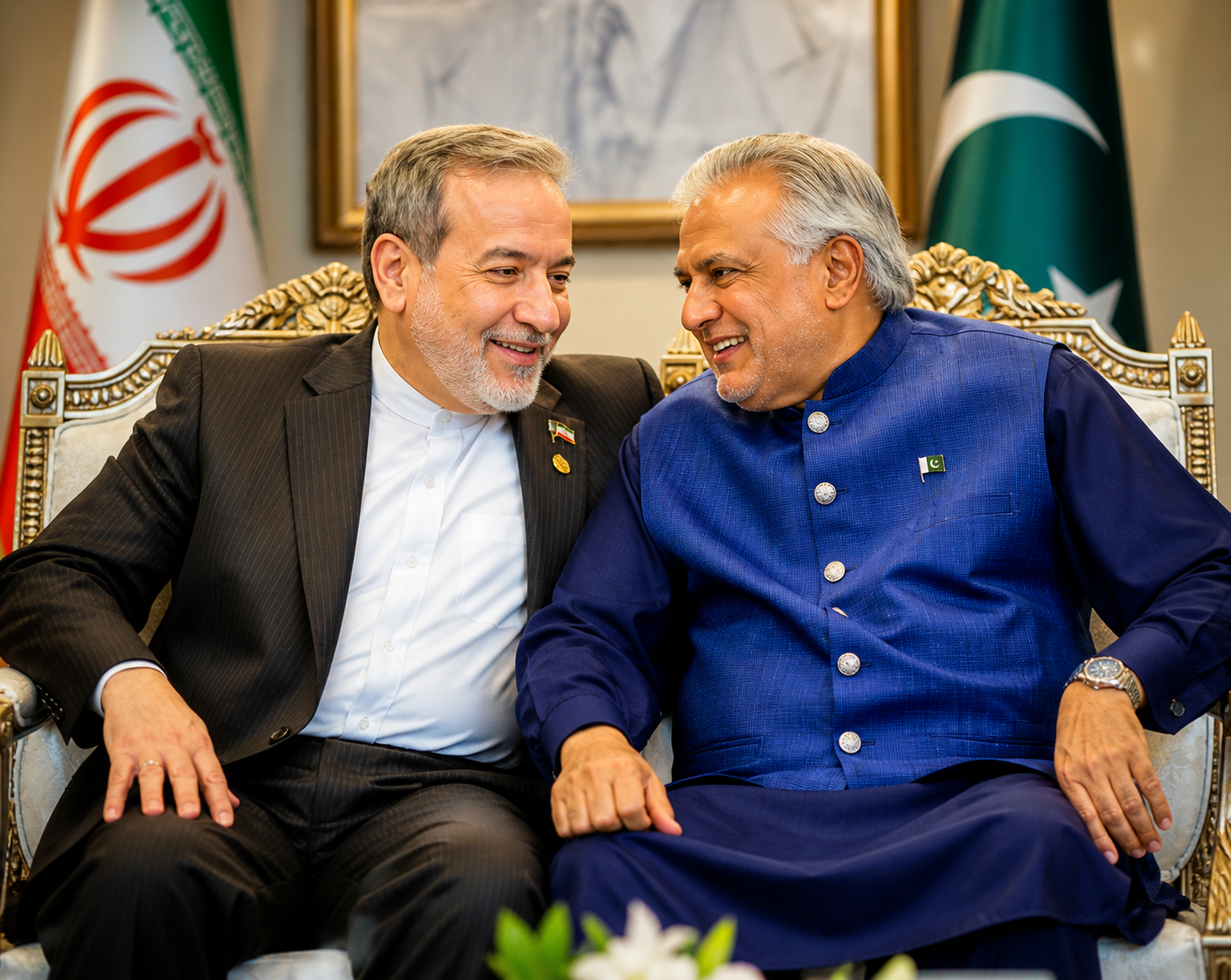
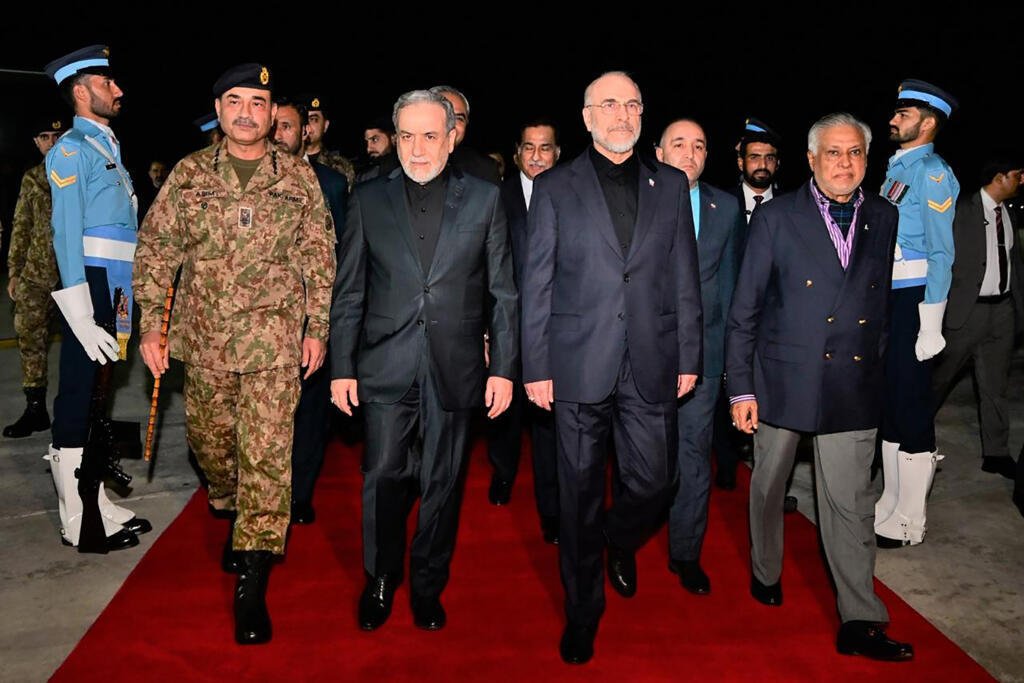
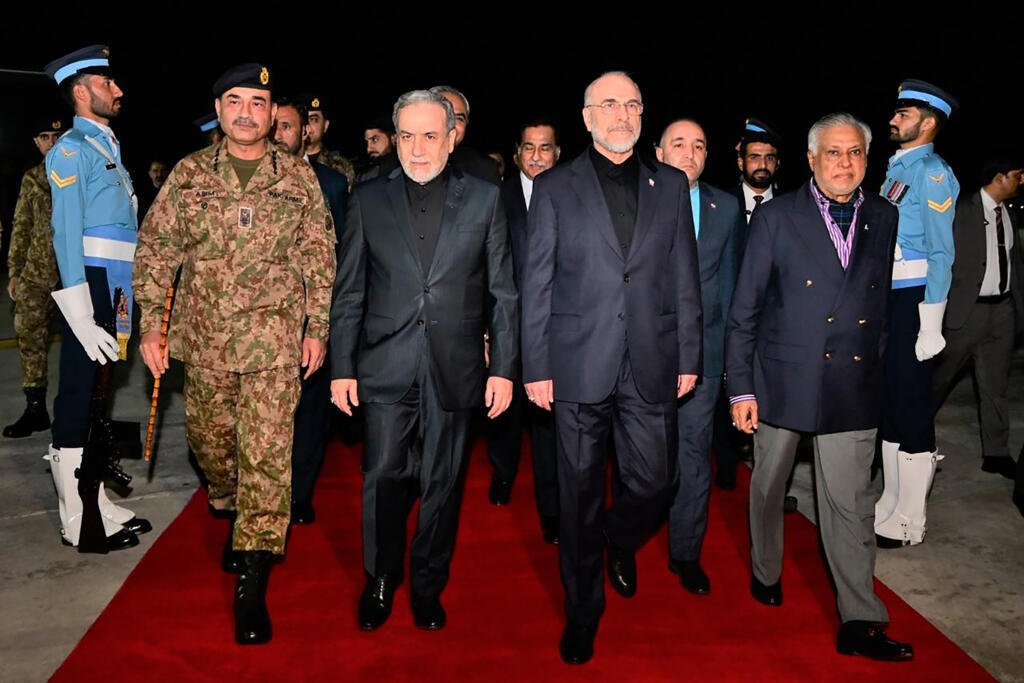
In a significant diplomatic development, Pakistan’s Chief of Army Staff and Chief of Defence Forces, Field Marshal Asim Munir reaches Iran today, leading a high-powered delegation to Tehran. This visit marks a fresh push to revive and advance peace negotiations between the United States and Iran following inconclusive talks held recently in Islamabad.
The move underscores Pakistan’s growing role as a trusted mediator in one of the world’s most volatile flashpoints. With tensions still high in the Middle East, Field Marshal Asim Munir reaches Iran carrying messages from Washington and aiming to bridge differences between the two sides. For Pakistanis watching closely, this development highlights how their country’s military leadership is stepping up on the global stage at a critical time.
In this article, we explore the background, objectives, and potential impact of this important visit.
Background to the US-Iran Tensions and Pakistan’s Role
The relationship between the United States and Iran has remained tense for decades, marked by disagreements over nuclear issues, regional influence, and security concerns. Recent escalations, including military posturing and a fragile ceasefire, have raised fears of broader conflict affecting global oil supplies and stability in the Middle East.
Pakistan, sharing borders with Iran and maintaining cordial ties with both Washington and Tehran, has emerged as a natural facilitator. Field Marshal Asim Munir reaches Iran as part of Islamabad’s consistent efforts to de-escalate the situation through quiet diplomacy and direct engagement.
Pakistan hosted initial rounds of talks in Islamabad just days ago, involving senior US and Iranian officials. Although those discussions did not yield a full breakthrough, they laid important groundwork. The current visit to Tehran builds directly on that momentum.
Details of Field Marshal Asim Munir’s Visit to Iran
According to official statements from the Inter-Services Public Relations (ISPR), Field Marshal Asim Munir reaches Iran leading a delegation that includes Interior Minister Mohsin Naqvi and other senior officials. Upon arrival in Tehran, the Pakistani team was warmly received by Iranian Foreign Minister Abbas Araghchi.
The delegation is expected to hold in-depth meetings with Iranian leadership, including possible discussions with senior security officials. Sources indicate that Field Marshal Asim Munir reaches Iran to convey fresh messages from the US side and to explore ways to narrow remaining gaps between the negotiating parties.
This is not a routine visit. The presence of Pakistan’s top military leader signals the seriousness with which Islamabad views its mediatory responsibilities.
Objectives Behind the High-Level Delegation
The primary goals of Field Marshal Asim Munir reaches Iran appear to be:
- Delivering a clear US position and proposals to Iranian counterparts
- Understanding Tehran’s current red lines and flexibility
- Preparing the ground for a more productive second round of direct or indirect talks
- Reinforcing the recent ceasefire and preventing any resumption of hostilities
- Exploring confidence-building measures on issues like the Strait of Hormuz and regional security
By engaging at the highest level, Pakistan aims to inject new energy into the process and prevent the fragile peace efforts from collapsing.
What Happened in the Recent Islamabad Talks?
Last week, Pakistan hosted rare face-to-face discussions between US and Iranian teams in Islamabad. The US delegation reportedly included high-level figures, while Iran sent its own senior representatives. Although some progress was made on procedural matters, core differences remained unresolved.
READ NEXT: Hina Parvez Butt Slams Fiza Ali Over Viral Live Show Clip
Field Marshal Asim Munir reaches Iran now with the aim of addressing those sticking points. Pakistani officials have described the Islamabad round as “constructive but incomplete,” setting the stage for continued shuttle-style diplomacy.
Pakistan’s Unique Position as Mediator
Pakistan enjoys several advantages that make it well-suited for this role:
- Long-standing diplomatic relations with both the US and Iran
- Geographic proximity and shared borders with Iran
- Strong military-to-military ties, particularly with the US
- A track record of balanced foreign policy in the region
Field Marshal Asim Munir reaches Iran reflects the high level of trust placed in Pakistan’s leadership by both sides. Analysts note that Pakistan’s army chief has built personal rapport with key US figures, which has helped open channels that might otherwise remain closed.
Expected Outcomes and Challenges Ahead
While optimism exists, significant challenges remain. Differences over Iran’s nuclear program, regional proxies, and sanctions continue to complicate matters. Success will depend on flexibility from all parties and sustained backchannel support.
Possible positive outcomes from Field Marshal Asim Munir reaches Iran include:
- Agreement on the date and format for the next round of talks
- Commitments to extend the current ceasefire
- Initial steps toward de-escalation in the Strait of Hormuz
However, if gaps prove too wide, the mediation effort could face setbacks. Diplomacy in such high-stakes situations often requires patience and multiple rounds.
Regional and Global Reactions
The visit has drawn attention across the Middle East and beyond. Saudi Arabia and other Gulf states are watching closely, as any US-Iran understanding could reshape regional dynamics. China and Russia, which maintain ties with Iran, have also shown interest in Pakistan’s facilitative efforts.
For ordinary Pakistanis, Field Marshal Asim Munir reaches Iran represents national pride in seeing their country play a constructive international role rather than being sidelined in global affairs.
Implications for Pakistan and the Wider Region
A successful mediation outcome would bring multiple benefits to Pakistan, including enhanced international stature, potential economic opportunities, and greater regional stability that supports trade and energy security.
For the wider region, progress in US-Iran talks could reduce the risk of wider conflict, stabilize oil markets, and open doors for humanitarian and economic relief. Field Marshal Asim Munir reaches Iran is therefore not just a bilateral visit it forms part of a larger effort with consequences that stretch far beyond Tehran.
FAQs
1. Why has Field Marshal Asim Munir reached Iran? Field Marshal Asim Munir reaches Iran to advance stalled US-Iran peace talks by conveying messages, discussing differences, and preparing for the next round of negotiations.
2. Who is accompanying Field Marshal Asim Munir in Tehran? The delegation includes Interior Minister Mohsin Naqvi and other senior Pakistani officials.
3. What was the outcome of the recent talks in Islamabad? The Islamabad round made some progress but ended without a full breakthrough, prompting the current follow-up visit to Iran.
4. How significant is Pakistan’s role in US-Iran talks? Pakistan has emerged as a key facilitator, leveraging its relationships with both countries to help de-escalate tensions.
5. What could be the impact if these peace efforts succeed? Success could lead to longer-term stability in the Middle East, reduced risk of conflict, and positive economic effects for the region, including Pakistan.
Conclusion
Field Marshal Asim Munir reaches Iran at a pivotal moment, carrying the weight of Pakistan’s diplomatic ambitions to help bridge the divide between the United States and Iran. This visit reflects Islamabad’s commitment to peace and stability in a troubled region.
While challenges remain, the high-level engagement offers hope that dialogue can prevail over confrontation. For Pakistan, successful mediation would strengthen its global profile and contribute to a more secure neighbourhood. As developments unfold in Tehran, the world will be watching to see whether this key effort can indeed advance meaningful US-Iran peace talks.