Millions of Muslims around the world dream of visiting the holy city of Makkah, but this year, Saudi authorities have introduced firm Makkah entry restrictions to prepare for the upcoming Hajj 2026 season. Effective from Monday, April 13, 2026 (25 Shawwal 1447 AH), expatriates and visitors without an official Hajj permit, Makkah-issued Iqama, or approved work permit for the holy sites will be turned away at security checkpoints.
This move aims to ensure smooth crowd management, enhance safety, and prevent overcrowding as millions gather for one of the world’s largest religious events. For many Pakistanis planning Umrah or hoping to combine visits, these Makkah entry restrictions come as an important heads-up. In this detailed guide, we break down what the rules mean, who is affected, why they’re in place, and practical steps to stay compliant.
Whether you’re an expat working in Saudi Arabia, a pilgrim from Pakistan, or simply someone curious about Hajj preparations, understanding these changes can save you time, stress, and potential disappointment.
Why Saudi Arabia Imposed Makkah Entry Restrictions
Every year, as Hajj approaches, Saudi authorities tighten controls around Makkah and the holy sites. The goal is straightforward: manage the massive influx of pilgrims safely while maintaining the sanctity and order of the pilgrimage.
With Hajj 2026 expected around late May 2026, officials are acting early. Past incidents of overcrowding and the tragic losses in previous seasons have underscored the need for better planning. The Makkah entry restrictions help limit non-essential travel, reduce pressure on infrastructure, and allow authorities to focus resources on registered Hajj pilgrims.
READ NEXT: Saudi Arabia Pledges Financial Aid To Pakistan Amid Crisis
These measures are not new in principle but have been enforced more strictly this year, with checkpoints becoming active from April 13 onward. For residents and visitors alike, the message is clear: plan ahead or risk being denied entry.
Key Details of the New Makkah Entry Restrictions
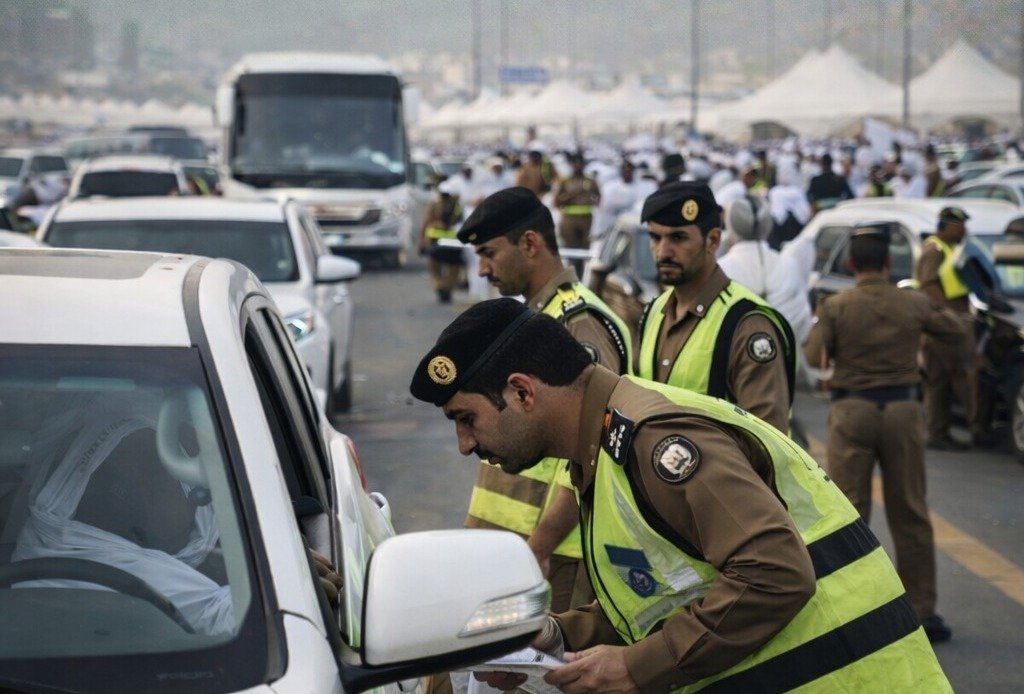
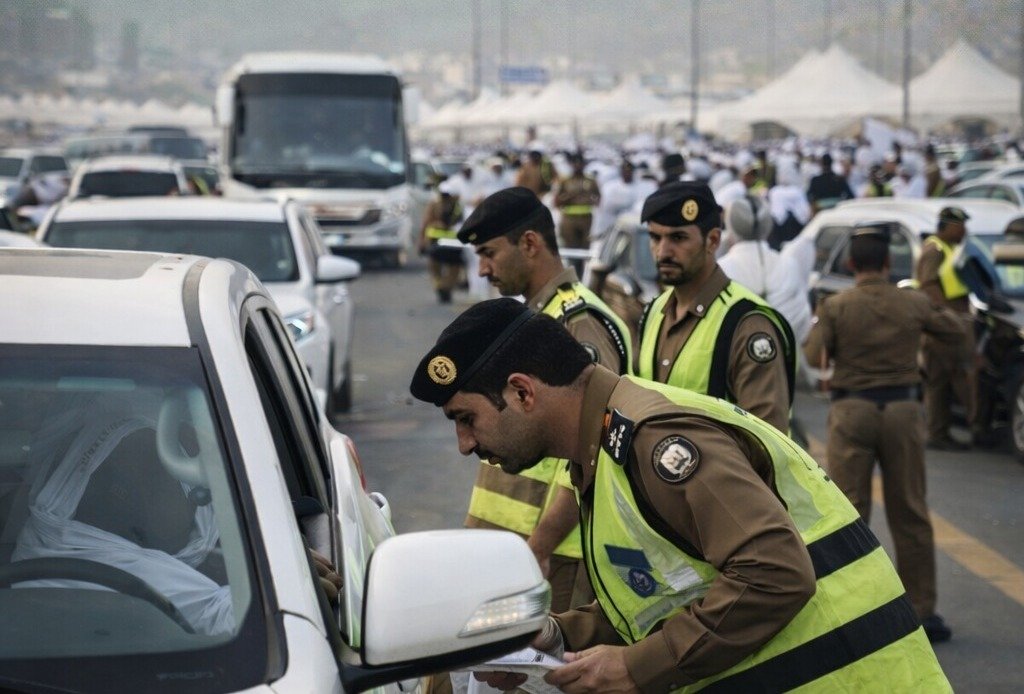
Starting April 13, 2026, entry into Makkah is limited to specific categories only. Security forces at all access points will check documents rigorously.
- Only individuals holding a valid Hajj permit
- Residents with Iqama issued in Makkah
- Those with an official work permit for the holy sites
All other expatriates, regardless of their Saudi residency location, will be barred unless they obtain special approval. Umrah visa holders must leave the Kingdom by April 18, 2026, and no new Umrah permits will be issued from April 18 to May 31, 2026.
Tourist, business, family visit, and other visa types do not grant access to Makkah during this sensitive period. These Makkah entry restrictions apply to both entry and staying in the city.
Who Can Enter Makkah During This Period?
Here’s a clear breakdown of who remains eligible under the current Makkah entry restrictions:
- Hajj pilgrims with official Nusuk-issued Hajj permits and visas
- Makkah residents whose Iqama clearly states Makkah as their place of residence
- Authorized workers in hospitals, security, services, or pilgrimage-related roles within the holy sites
- Saudi citizens who may have additional permissions in certain cases (though checks are still strict)
Foreign nationals on visit visas or those whose Iqama is issued in other cities like Riyadh, Jeddah, or Dammam will generally be turned back. The focus is squarely on preparing Makkah exclusively for the Hajj season.
Impact on Umrah Pilgrims and Other Visa Holders
For those performing Umrah, the timing is critical. The last date for Umrah visa holders to enter Saudi Arabia was April 2, 2026, and everyone on an Umrah visa must depart by April 18, 2026. After that, the Nusuk platform suspends Umrah services until after Hajj.
This transition period prevents overlap between Umrah visitors and Hajj preparations. Many Pakistanis who travel for Umrah regularly should note these dates carefully to avoid last-minute issues or being stranded outside Makkah.
Other visa holders (tourist, business, etc.) X are strongly advised not to travel toward Makkah. Hotels and accommodations in the city are also expected to comply and will not host guests without proper permits in many cases.
Hajj 2026 Timeline and Important Deadlines
Understanding the broader calendar helps put the Makkah entry restrictions in context:
- April 13, 2026: Start of strict Makkah entry checks
- April 18, 2026: Deadline for Umrah visa holders to leave Saudi Arabia
- April 18 to May 31, 2026: Suspension of new Umrah permits
- Late May 2026 (around 24–29 May): Expected main days of Hajj 1447 AH
- Post-Hajj: Gradual reopening for Umrah and normal travel
Pilgrims selected for Hajj through official channels should receive their Nusuk Card, which serves as essential identification during the pilgrimage. This digital system helps authorities track and support registered participants effectively.
How These Restrictions Help Ensure Safe Hajj
Safety remains the top priority. By implementing Makkah entry restrictions, Saudi Arabia aims to:
- Reduce overcrowding in key areas like the Grand Mosque, Mina, Arafat, and Muzdalifah
- Improve emergency response and medical services
- Ensure sufficient accommodation, transport, and food supplies for authorized pilgrims
- Prevent unauthorized attempts that have led to tragedies in the past
Modern tools like the Nusuk platform, smart cards, and enhanced surveillance support these efforts. While the rules may feel strict, they ultimately protect the health and spiritual experience of millions who travel from countries like Pakistan, Indonesia, India, and beyond.
Practical Advice for Pilgrims and Residents
If you or your family members are planning travel related to Hajj or living in Saudi Arabia, here are some helpful tips:
- Check your Iqama or visa status immediately
- Apply for Hajj through official government or authorized channels only avoid unofficial agents
- Download the Nusuk app and keep your digital documents ready
- For expats working outside Makkah, plan any necessary trips well in advance or seek official permissions
- Pakistani pilgrims should coordinate with the Hajj Mission or relevant authorities for quota and package details
- Always carry valid identification and permits when traveling within the Kingdom
Being prepared turns potential frustration into a smoother journey.
What Happens If You Try to Enter Without Permission?
Authorities are enforcing the rules at checkpoints. Individuals without proper documentation are politely but firmly asked to turn back. Repeated violations can lead to fines, deportation, or future travel bans. The emphasis is on compliance rather than punishment, but the message is serious: respect the regulations for everyone’s safety.
FAQs
1. When did the Makkah entry restrictions begin? The Makkah entry restrictions started on April 13, 2026. Only those with a Hajj permit, Makkah Iqama, or holy sites work permit can enter.
2. Can I enter Makkah with a tourist visa during this period? No. Tourist, business, family visit, and most other visas do not allow entry into Makkah under the current restrictions. Hajj permit is required for access.
3. What is the deadline for Umrah visa holders to leave Saudi Arabia? All Umrah visa holders must leave by April 18, 2026. New Umrah services are suspended until after Hajj.
4. Do Makkah residents need a special permit? Residents whose Iqama is issued in Makkah can enter without additional permits. Those with Iqama from other cities need special approval or will be restricted.
5. How can I apply for a Hajj permit for 2026? Applications are handled through the official Nusuk platform (hajj.nusuk.sa) or via authorized government channels in your country. Always use verified sources to avoid scams.
Conclusion
The Makkah entry restrictions introduced by Saudi Arabia mark an important phase in preparations for a safe and organized Hajj 2026 season. While they limit access for non-essential travelers, these steps ultimately protect pilgrims, ease logistical challenges, and preserve the spiritual focus of the holy sites.
For Pakistanis and Muslims worldwide, staying informed and respecting these guidelines is the best way to support a successful pilgrimage for all. Whether you’re planning your own Hajj journey, supporting family members, or simply following the news, understanding the “why” behind the Makkah entry restrictions brings clarity and respect for the immense effort involved in hosting millions.
As Hajj approaches, let’s keep the focus on faith, safety, and unity. May these measures lead to a smooth, blessed season for every pilgrim fortunate enough to participate.