In a much-needed boost for Pakistan’s struggling economy, Saudi Arabia has stepped forward with a strong pledge of financial support at a critical moment. As Islamabad prepares to manage heavy debt obligations amid regional tensions and rising import costs, the Kingdom’s assurance of full backing offers a lifeline to stabilize foreign exchange reserves.
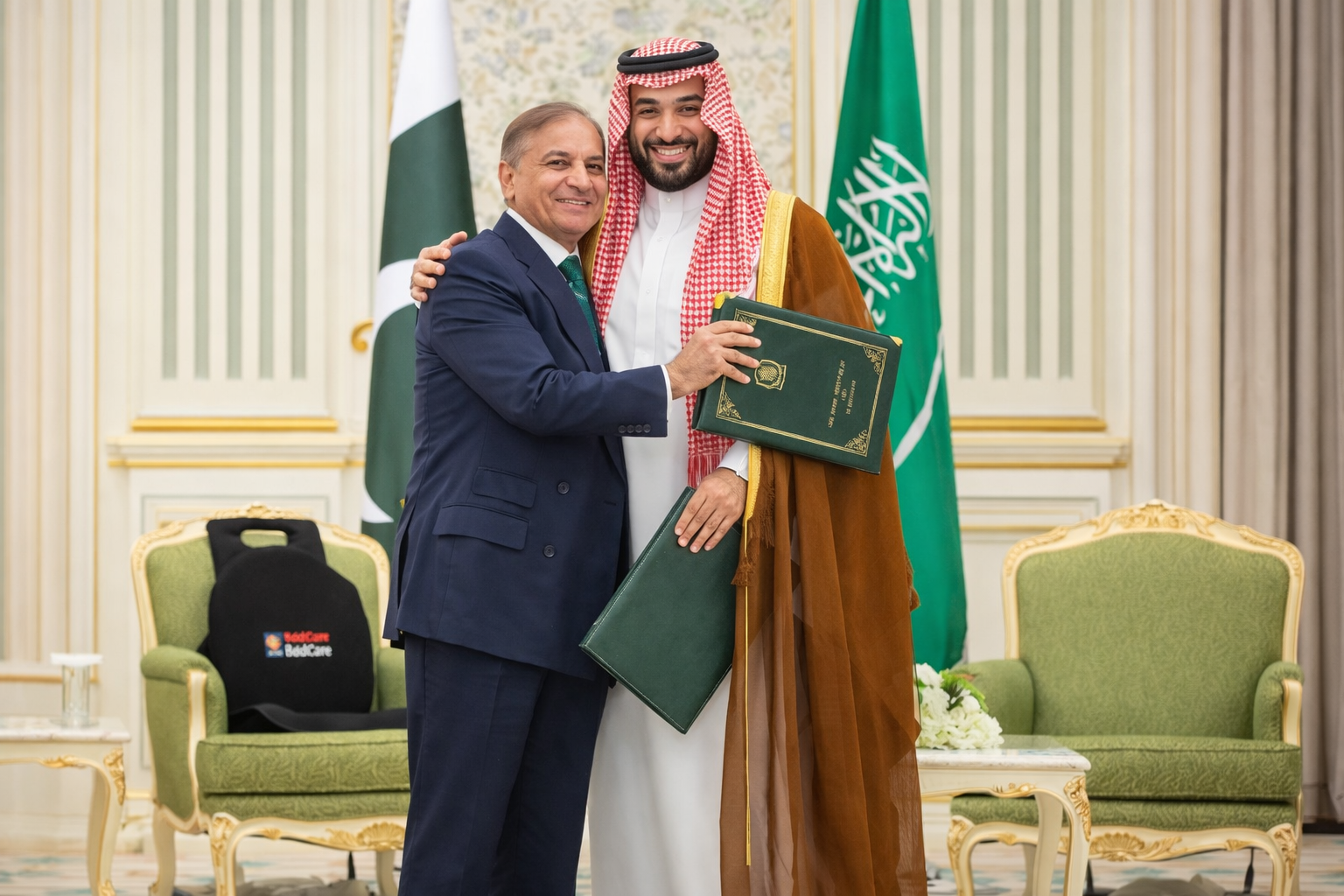
This latest Saudi Arabia financial aid to Pakistan development comes after high-level meetings in Islamabad involving Saudi Finance Minister Mohammed bin Abdullah Al-Jadaan and Pakistani leadership, including Prime Minister Shehbaz Sharif. With Pakistan facing pressure on its balance of payments, the timely gesture from Riyadh highlights the deep-rooted economic partnership between the two countries.
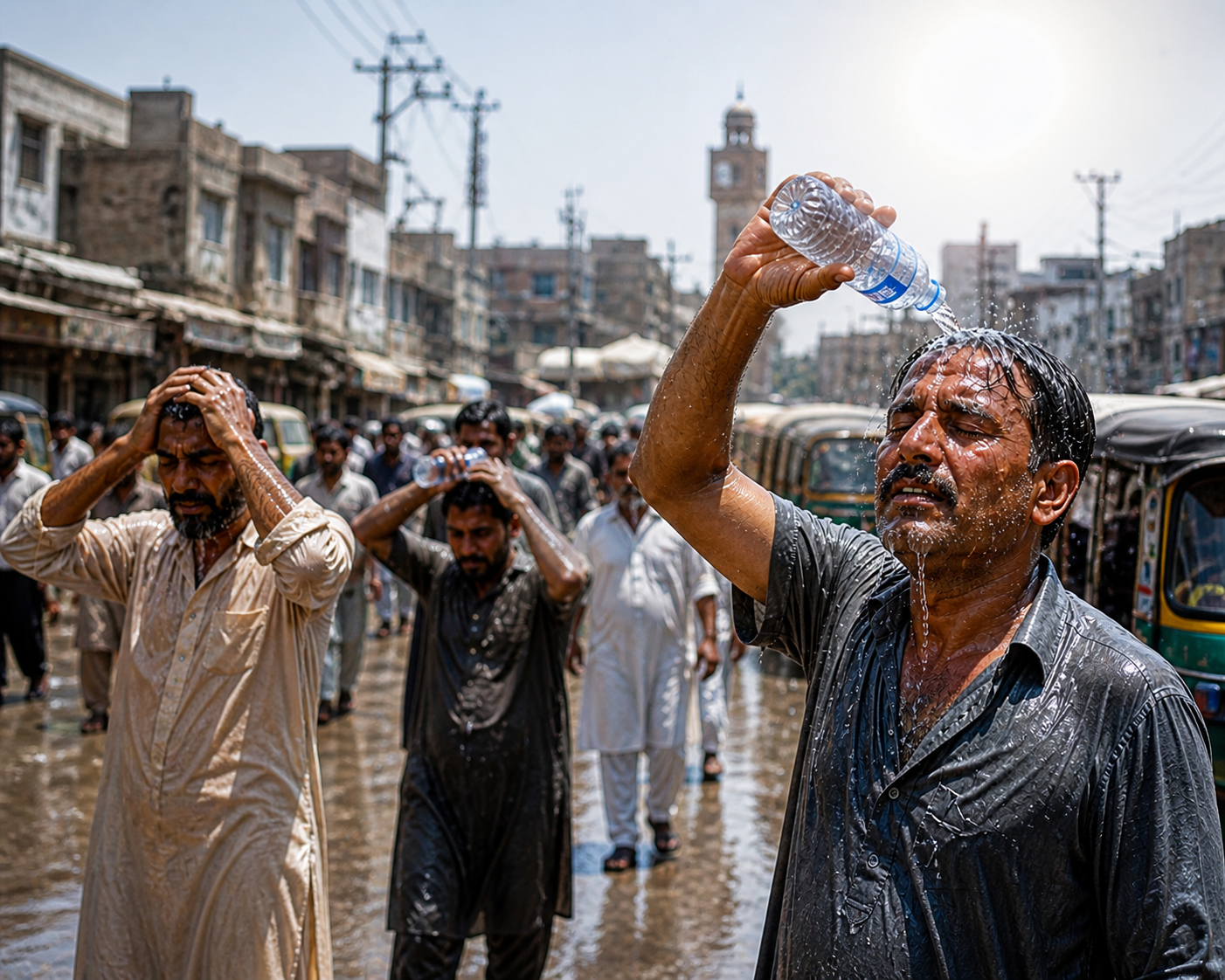
Many Pakistanis are breathing a sigh of relief, wondering how this support will help ease daily economic hardships. Let’s explore what this pledge really means, why it matters right now, and what it could mean for Pakistan’s future stability.
Why Pakistan Needs Urgent Financial Support
Pakistan’s economy has been walking a tightrope for years. High inflation, low foreign reserves, and mounting external debt have created constant pressure. Recently, the situation intensified as the country prepares to repay around $5 billion in loans due this month, including obligations to the UAE that are no longer being rolled over.
Foreign exchange reserves, currently hovering near $16 billion, are under strain due to higher import bills and global uncertainties. Without fresh inflows or rollovers, making these payments could further deplete reserves and affect the rupee’s value, impacting everything from fuel prices to essential imports.
This is where the Saudi Arabia financial aid to Pakistan becomes crucial. Friendly countries like Saudi Arabia have historically helped bridge these gaps, preventing a sharper economic downturn that could hurt ordinary citizens through job losses or higher living costs.
Details of Saudi Arabia’s Latest Pledge
During the recent visit of Saudi Finance Minister Mohammed bin Abdullah Al-Jadaan to Islamabad, Riyadh conveyed a clear message of “full financial support.” While no brand-new multi-billion-dollar package was signed on the spot, the assurance signals Saudi Arabia’s willingness to stand by Pakistan during these challenging times.
READ NEXT: Asim Munir becomes the most searched on Google
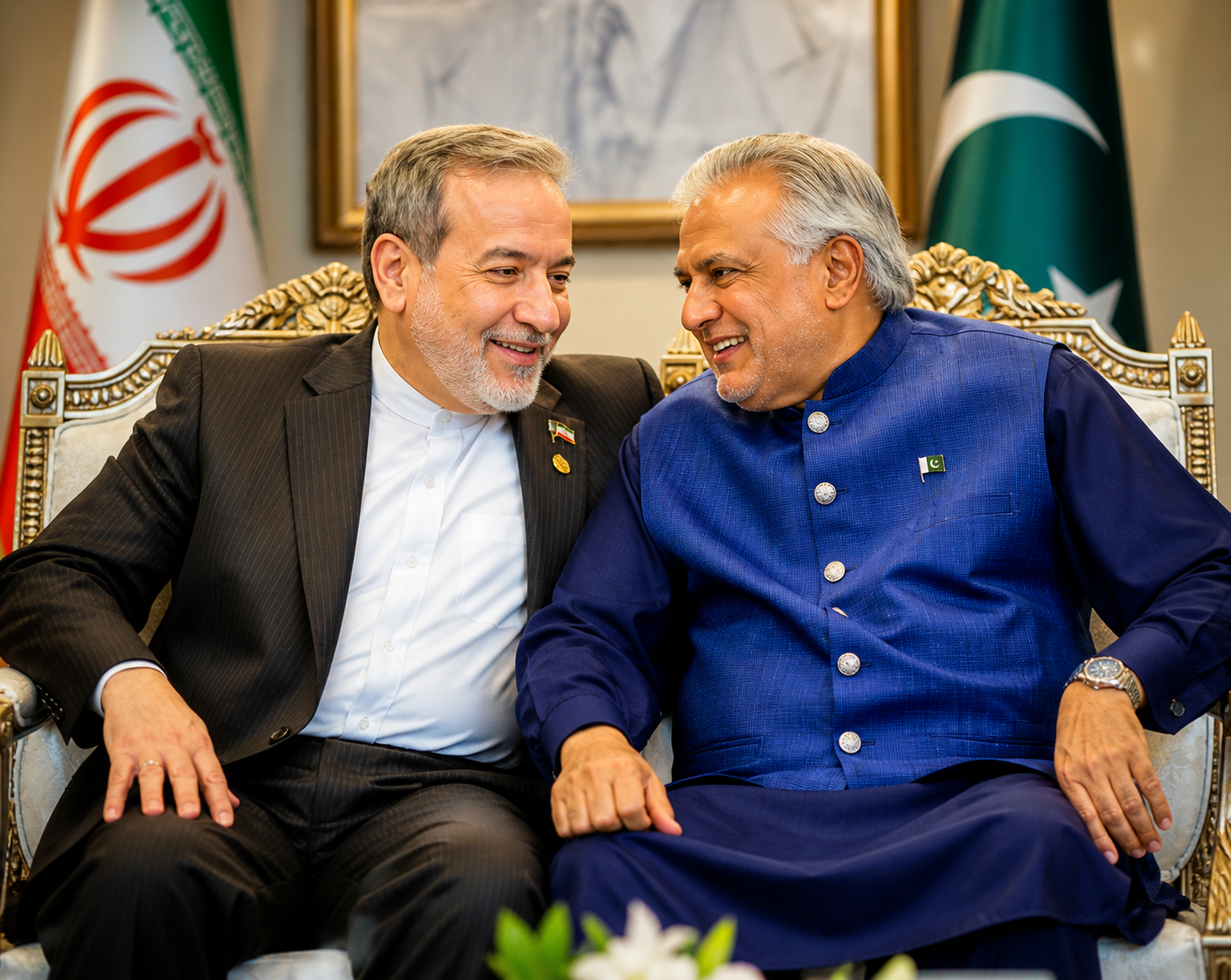
Pakistani officials described the meetings as productive, with the Saudi side expressing confidence in Pakistan’s economy and its diplomatic role in regional matters, including US-Iran talks. The pledge is expected to help manage immediate liquidity pressures and external payments through June.
This Saudi Arabia financial aid to Pakistan is particularly significant because it comes alongside similar support assurances from Qatar, potentially totaling around $5 billion in combined assistance. Such backing helps avert acute stress on reserves while Pakistan continues negotiations with other international partners.
Background of Saudi-Pakistan Economic Relations
The relationship between Saudi Arabia and Pakistan goes far beyond economics it is rooted in shared faith, security cooperation, and long-standing friendship. Over the decades, Saudi Arabia has been one of Pakistan’s most reliable partners, providing billions in the form of cash deposits, deferred oil payments, and grants X.
From earlier bailout-style packages worth several billion dollars to regular oil financing facilities, Riyadh has consistently helped Islamabad during tough periods. The recent Strategic Mutual Defence Agreement signed in 2025 has further deepened ties, creating a framework that now extends into economic cooperation.
In the current context, this history makes the latest Saudi Arabia financial aid to Pakistan feel like a natural extension of brotherly support rather than just a transactional deal. It also reflects Saudi Arabia’s strategic interest in a stable Pakistan.
What the Financial Aid Package May Include
While exact figures for any new deal are still being finalized, experts anticipate the support could involve several elements:
- Rollovers or extensions of existing Saudi deposits (Pakistan holds around $5 billion in short-term deposits from Riyadh)
- Extension of the oil financing facility, which allows Pakistan to import crude oil on deferred payments — currently worth over $1 billion annually
- Possible new cash support or loans to directly bolster reserves
- Longer-term investment commitments in infrastructure, energy, or other sectors as part of broader economic cooperation
Pakistan has reportedly requested converting short-term deposits into longer-term facilities (up to 10 years) and expanding the oil credit line. If these requests are favorably received, it would significantly ease pressure on the external account.
Impact on Pakistan’s Foreign Reserves and Debt Repayments
The immediate benefit of Saudi Arabia financial aid to Pakistan would be improved liquidity. By securing fresh inflows or rollovers, Pakistan can meet its April-May debt obligations without a sharp drop in reserves, which helps maintain confidence in the currency and financial markets.
This stability is vital for importers, exporters, and everyday consumers. For instance, a stronger reserve position reduces the risk of sudden fuel or medicine shortages. In the medium term, it also strengthens Pakistan’s position while negotiating with the IMF or other lenders.
However, sustainable recovery will still require domestic reforms better tax collection, export growth, and controlling unnecessary spending even with generous external support.
Role of Regional Tensions in the Current Crisis
The ongoing situation in the Middle East, including recent US-Iran developments, has added another layer of complexity. Regional conflicts can disrupt oil supplies and increase global commodity prices, hitting import-dependent economies like Pakistan harder.
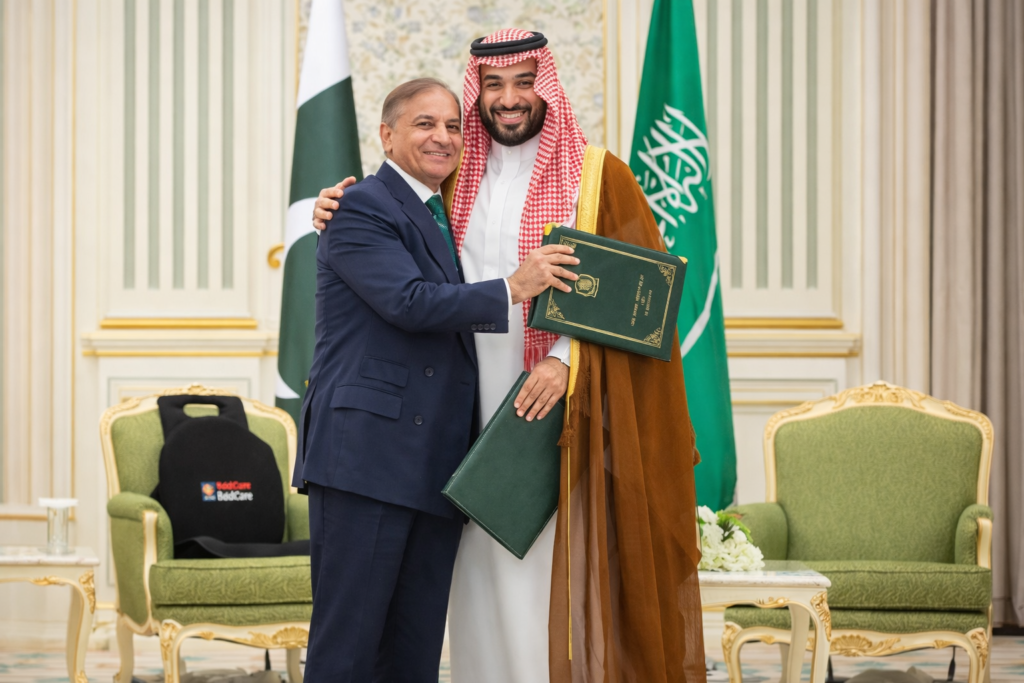
Interestingly, Saudi officials have also appreciated Pakistan’s mediating efforts in regional dialogues. This diplomatic goodwill likely plays a role in strengthening economic cooperation. The Saudi Arabia financial aid to Pakistan thus serves both economic and strategic purposes in a volatile neighborhood.
How This Aid Compares to Past Assistance
In the past, Saudi Arabia has provided substantial help, including multi-billion-dollar packages during previous balance-of-payments crises. The current pledge aligns with that pattern but comes at a time when Pakistan is also managing relations with other Gulf partners like the UAE.
Unlike some past instances where specific bailout amounts were announced upfront, this round emphasizes “assurances” and ongoing support, possibly paving the way for more structured long-term economic partnerships.
Broader Implications for Bilateral Ties
Beyond the immediate financial relief, this development could accelerate plans for a comprehensive economic cooperation framework between the two countries. Saudi investments in Pakistan’s mining, agriculture, energy, and tourism sectors have long been discussed, and stronger financial ties may unlock more of these opportunities.
For Pakistan, successfully navigating this phase with Saudi help could improve its overall creditworthiness and attract more foreign investment from other quarters as well.
FAQs
1. How much financial aid has Saudi Arabia pledged to Pakistan recently? Saudi Arabia has assured full support, with expectations of around $5 billion in combined assistance alongside Qatar to help manage debt repayments and stabilize reserves.
2. Why is Pakistan facing an economic crisis right now? Pakistan is dealing with nearly $5 billion in upcoming external debt payments, pressure on foreign reserves, higher import costs, and the effects of regional tensions.
3. What form is the Saudi Arabia financial aid to Pakistan likely to take? It may include rollovers of existing deposits, extension of oil financing facilities, and possible new loans or grants to support the balance of payments.
4. Will this aid solve Pakistan’s economic problems permanently? While it provides crucial short-term relief, long-term stability depends on domestic reforms, increased exports, and prudent economic management.
5. How does this pledge affect ordinary Pakistanis? It helps prevent sharper increases in fuel and essential item prices by stabilizing the rupee and reserves, offering indirect relief to daily life and businesses.
Conclusion
The Saudi Arabia financial aid to Pakistan pledge arrives as a timely show of solidarity when the country needs it most. By assuring full financial backing, Riyadh has once again demonstrated the strength of the historic bond between the two nations.
As details of the exact support mechanisms unfold in the coming weeks, this development brings hope for greater economic stability and could open doors to deeper investments and cooperation. For Pakistan, it underscores the importance of strong international partnerships while highlighting the need for continued internal efforts to build a resilient economy.
In challenging times, such gestures remind us that true friendships whether between individuals or nations shine brightest when they matter the most. The coming months will reveal how effectively this support translates into tangible relief and long-term progress for Pakistan.