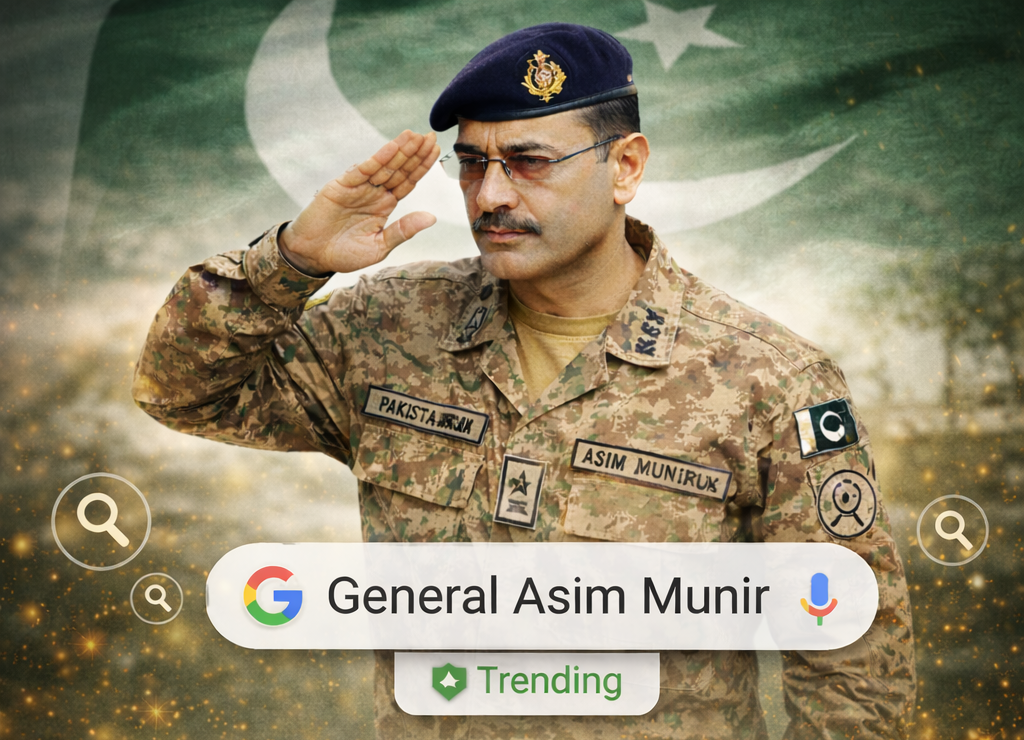
Field Marshal Syed Asim Munir Ahmed Shah has become the most searched name on Google worldwide, sparking curiosity from Lahore to Los Angeles and everywhere in between.
This isn’t just another trending topic it’s a moment that highlights how quickly global attention can shift toward Pakistan’s leadership amid fast-moving international developments. Whether you’re here because you saw the news on social media or you’re wondering why everyone suddenly wants to know more about him, this article breaks it all down in simple, straightforward terms.
Who Is Field Marshal Asim Munir?
Asim Munir serves as Pakistan’s Chief of Army Staff (COAS) and the country’s first Chief of Defence Forces (CDF). Born in 1968, he has built a reputation as a disciplined, strategic thinker with deep roots in military intelligence.
He is the only army chief in Pakistan’s history to have previously led both the Military Intelligence (MI) and the powerful Inter-Services Intelligence (ISI). In 2025, he received a historic promotion to the rank of Field Marshal—only the second person in the nation’s history to hold this prestigious title after Field Marshal Ayub Khan. Later that year, constitutional changes created the position of Chief of Defence Forces, giving him oversight over all branches of Pakistan’s armed forces.
People often describe Asim Munir as a “Hafiz-e-Quran” (someone who has memorized the entire Quran), which adds a layer of personal discipline and faith to his public image. Unlike some predecessors who rose through more political channels, his career emphasizes intelligence work and operational expertise.
Why Did Asim Munir Become the Most Searched Name on Google Worldwide?
The surge in searches for Asim Munir reportedly peaked around early April 2026, with Google Trends showing him topping global interest in the past 24 hours. Related queries like “field marshal Asim Munir,” “Asim Munir Trump,” and “Pakistan Munir” also spiked sharply.
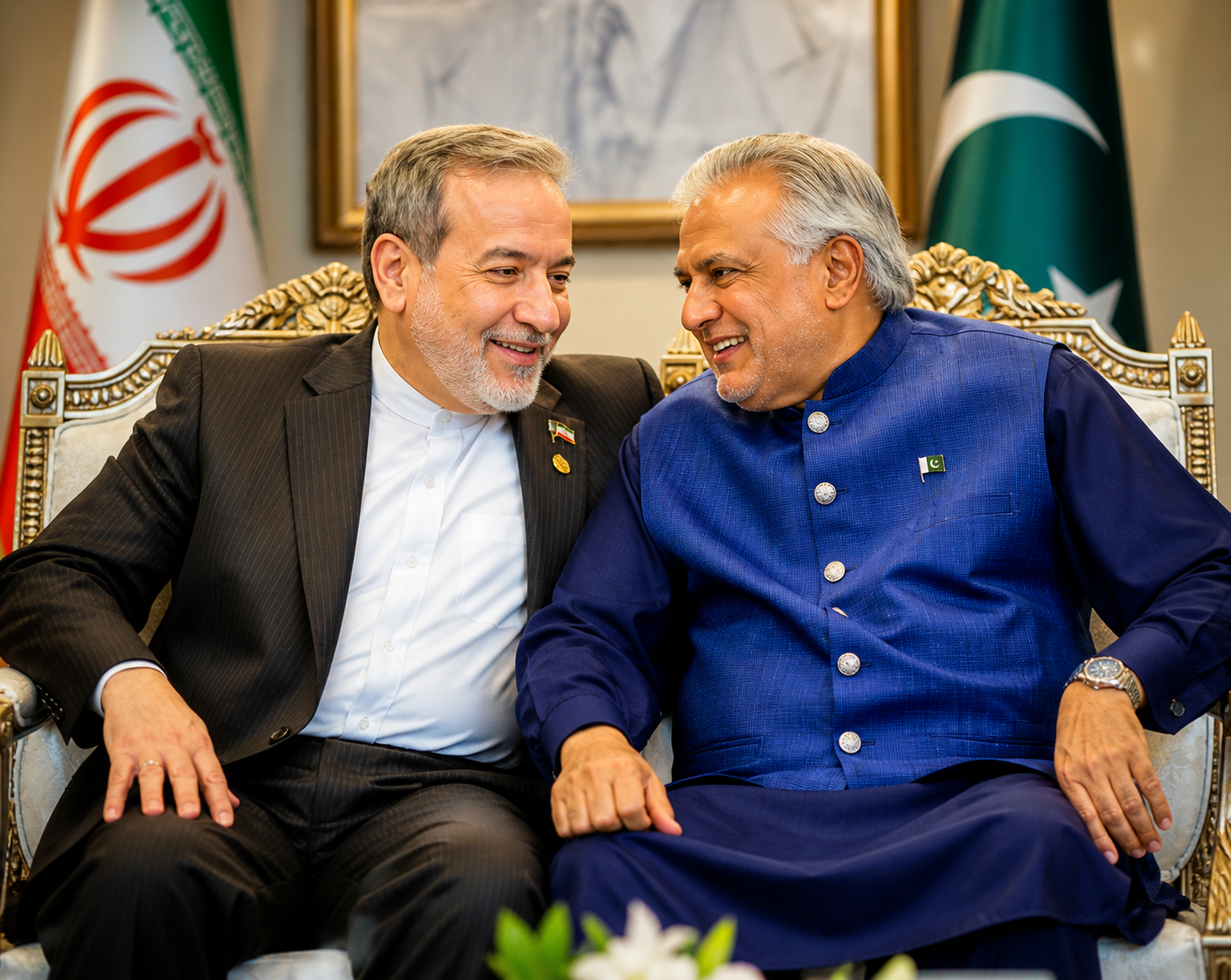
According to widespread reports circulating on social media and news platforms, this massive interest stems from Pakistan’s reported involvement in diplomatic efforts to ease tensions between the United States and Iran. Specifically, discussions around a temporary ceasefire and backchannel talks have placed Asim Munir and Pakistani leadership in the international spotlight.
When a high-ranking figure like Asim Munir appears connected to sensitive geopolitical moves such as helping facilitate dialogue that could prevent escalation in the Middle East curiosity naturally explodes. People worldwide started typing his name into Google to understand who he is, what Pakistan’s role might be, and how this fits into broader global politics.
READ NEXT: Babar Azam 12000 T20 runs Becomes Fastest
It’s a classic example of how one development can turn a national leader into a global search phenomenon overnight. In our hyper-connected world, a single story about mediation or high-level talks can drive millions of searches from curious citizens, analysts, journalists, and even international observers.
The Backstory: Pakistan’s Role in Recent Global Diplomacy
Pakistan has long positioned itself as a bridge between different powers, thanks to its strategic location and experienced diplomats and military leaders. Recent reports suggest that conversations involving Pakistani Prime Minister Shehbaz Sharif and Field Marshal Asim Munir contributed to a short-term suspension of potential military actions, giving breathing room for further negotiations.
U.S. President Donald Trump has publicly referenced talks with Pakistani leaders in this context, which amplified attention on Asim Munir. Some international coverage even highlighted Pakistan’s growing influence as a “soldier-diplomat” player in regional affairs.
This isn’t the first time Asim Munir has been linked to high-stakes engagements. His background in intelligence has equipped him to handle complex situations involving multiple stakeholders. The recent spike shows how quickly such roles can capture worldwide imagination—especially when they touch on sensitive issues like the Strait of Hormuz or broader Middle East stability.
For many Pakistanis, this moment feels like validation of the country’s relevance on the global stage. For others outside Pakistan, it’s an opportunity to learn more about a leader who wields significant influence in one of the world’s most strategically important nations.
Asim Munir’s Journey – From Intelligence Officer to Field Marshal
Asim Munir‘s career path stands out for its focus on intelligence and professional military service. He commissioned into the Pakistan Army in the 1980s and gradually rose through the ranks. Key milestones include:
- Serving as Director General of Military Intelligence
- Heading the Inter-Services Intelligence (ISI), Pakistan’s premier intelligence agency
- Appointment as Chief of Army Staff in November 2022
- Promotion to Field Marshal in 2025 following regional developments
- Creation and assumption of the Chief of Defence Forces role
His elevation to Field Marshal came after notable events, including tensions with India earlier in 2025. The rank carries immense prestige and, combined with the new CDF position, grants him unique authority and privileges, including extended tenure protections.
What sets Asim Munir apart for many observers is his blend of religious devotion, professional discipline, and strategic acumen. Supporters view him as a stabilizing force committed to national security and institutional strength. Critics, as always in politics and military affairs, debate the concentration of power in such roles.
His journey reflects broader themes in Pakistan’s history: the central role of the military in state affairs, the importance of intelligence in modern governance, and the evolving nature of leadership in a nuclear-armed nation with complex regional relationships.
What This Google Search Surge Really Means
When someone like Asim Munir becomes the most searched name on Google worldwide, it signals more than fleeting internet fame. It points to shifting global narratives around Pakistan. For years, discussions about the country often focused on challenges security, economy, or politics. A surge like this brings attention to its diplomatic potential and the capabilities of its leadership.
It also demonstrates the power of digital platforms. A story breaks, social media amplifies it, and suddenly people from different continents are researching the same individual. This increased visibility can lead to more informed discussions, but it also invites scrutiny and sometimes misinformation.
From an SEO and trends perspective, such spikes drive related searches: people want biographies, analyses of Pakistan’s foreign policy, explanations of military ranks, and context on U.S.-Iran-Pakistan dynamics. Asim Munir‘s name trending globally puts the spotlight on these interconnected issues.
Importantly, this moment underscores how individual leaders can personify a nation’s moment in the sun. Whether the attention lasts days or weeks depends on how events unfold, but the initial surge already marks a notable chapter in public interest.
Public Reactions and Social Media Buzz
Across platforms like X (formerly Twitter), Instagram, and Facebook, reactions range from pride to skepticism. Many Pakistanis celebrated the news as a proud moment, sharing posts about national influence and leadership. Hashtags related to Asim Munir and “most searched” trended locally and gained international traction.
International users expressed surprise or sought more context: “Who is this general everyone is searching for?” or “What exactly did Pakistan do in the Iran talks?”
Some posts linked the surge to specific diplomatic claims, while others cautioned that viral trends don’t always reflect verified data. A few analysts noted that Google Trends measures relative interest, so a sharp spike in one region or topic can push a name to the top globally even without billions of absolute searches.
Overall, the buzz reveals genuine curiosity mixed with nationalistic sentiment and geopolitical analysis. It keeps people engaged, reading deeper articles, and discussing implications long after the initial headline.
How Google Trends Works and What the Data Shows
Google Trends tracks search interest on a scale from 0 to 100, showing relative popularity over time and across regions. When Asim Munir topped the charts in the last 24 hours, it meant his name generated higher proportional interest compared to other personalities during that window.
Factors that boost such trends include:
- Breaking news coverage
- Social media amplification
- High-stakes international events
- Celebrity or political curiosity
In this case, the combination of diplomatic reports and Pakistan’s central role created the perfect storm. Related terms like “Field Marshal Asim Munir” saw even sharper increases, indicating users wanted specific details beyond the basic name.
Understanding Trends helps separate hype from substance. While the “most searched” label sounds dramatic, it often reflects timely relevance rather than permanent fame. Still, for Asim Munir, it represents a rare moment of global digital recognition.
FAQs
1. Is Asim Munir really the most searched person on Google right now? Reports based on Google Trends data indicate a significant surge making him the top personality in recent 24-hour windows, particularly around early April 2026. Trends can fluctuate quickly, so checking live data is always recommended.
2. What caused the sudden interest in Asim Munir? The primary trigger appears linked to news about Pakistan’s diplomatic engagement in efforts to de-escalate tensions involving the US and Iran, including reported talks and a temporary ceasefire framework.
3. What is a Field Marshal in the Pakistan Army? Field Marshal is the highest possible military rank, awarded only twice in Pakistan’s history. It signifies exceptional service and carries great prestige and authority.
4. How does Asim Munir’s role as Chief of Defence Forces differ from COAS? The CDF position, created recently, allows oversight of all armed forces branches (Army, Navy, Air Force), expanding coordination beyond the traditional army chief responsibilities.
5. Will this Google search trend have lasting impact? It depends on ongoing developments. Such spikes often lead to increased awareness and discussion, but sustained interest relies on continued relevant events or policy outcomes.
Conclusion
The story of Asim Munir becoming the most searched name on Google worldwide captures a fascinating intersection of military leadership, digital trends, and global diplomacy. In just a short period, millions turned to search engines to learn about Pakistan’s Army Chief and the broader context of his rising profile.
Whether you’re a student of geopolitics, a proud Pakistani following national developments, or simply someone intrigued by viral trends, this moment offers a window into how quickly the world can focus on one individual. Asim Munir‘s journey from intelligence professional to Field Marshal and CDF embodies decades of service and the evolving role of Pakistan on the international stage.
As events continue to unfold, staying informed through reliable sources remains key. What started as a search surge could spark deeper conversations about leadership, strategy, and Pakistan’s place in a complex world. If nothing else, it reminds us how connected we all are in the age of instant information.
What are your thoughts on this development? Have you noticed the trend in your own searches? Drop a comment below we’d love to hear from readers worldwide.