A Cultural Tradition with Global Spotlight
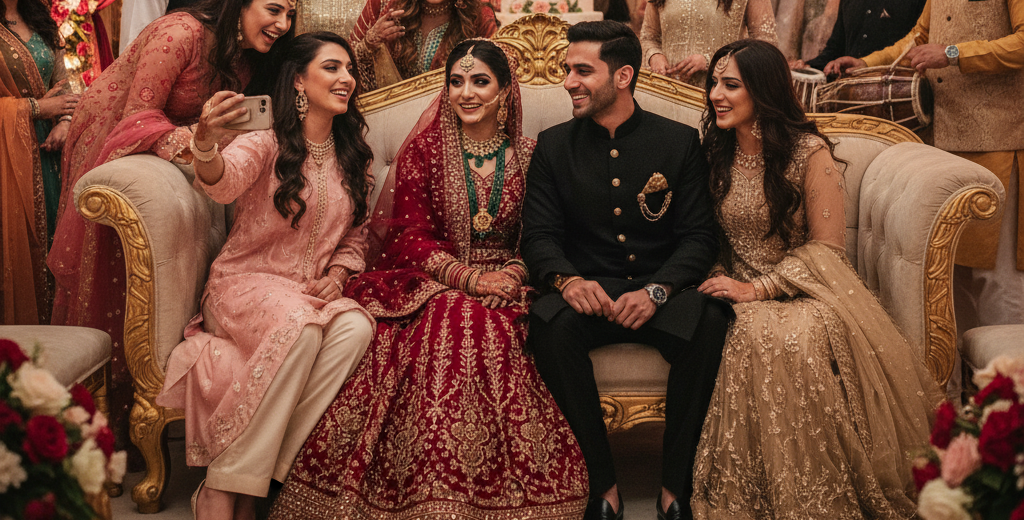
Pakistan has topped the global charts with a staggering 63% of marriages involving cousins, according to a 2025 study by the Consanguinity in Global Context project, making it the leader in consanguineous unions worldwide. The Pakistan Cousin Marriages trend, deeply woven into cultural and familial fabrics, has sparked vital discussions on tradition, health risks, and social change. From bustling cities to rural villages, the practice remains a cornerstone of family ties, but experts urge awareness of its implications.
The Pakistan Cousin Marriages report has stirred conversations on social media, with users sharing personal stories and sparking debates. Here’s the full picture on , why it’s so common, and what it means for the nation.
What Makes Pakistan Cousin Marriages So Prevalent?
The Pakistan Cousin Marriages phenomenon stems from a rich tapestry of cultural, social, and economic factors. In Pakistan, where family bonds are paramount, marrying within the family often first cousins strengthens alliances, preserves wealth, and maintains social status. The 2025 study, based on data from 2.5 million couples across 100 countries, found Pakistan at 63%, ahead of Saudi Arabia (50%) and Sudan (49%). The rate is highest in rural areas, where 70% of unions are consanguineous, per the study.
Religion plays a role too, with Islam permitting cousin marriages, and cultural norms encouraging them to keep property within clans. The practice is passed down generations, with many families viewing it as a way to ensure compatibility and trust. However, urban youth are slowly shifting, with the rate dipping to 50% in cities like Lahore.
Why Pakistan Cousin Marriages Matter
The Pakistan Cousin Marriages trend has profound implications for health and society. While it fosters family closeness, it raises risks of genetic disorders, with children of cousin marriages facing a 4-7% higher chance of congenital defects, per the British Journal of General Practice. The practice contributes to higher rates of thalassemia and other hereditary diseases, with over 5,000 cases annually in Pakistan.
READ NEXT: Tomato Price Surge Pakistan Rs560/kg hits nation
Socially, the Pakistan Cousin Marriages can limit women’s choices, as families often arrange unions to settle disputes or secure alliances. The debate has prompted campaigns for premarital genetic counseling, with NGOs like the Pakistan Thalassemia Federation advocating awareness. Yet, the Pakistan Cousin Marriages remain a cherished tradition, balancing cultural pride with modern health concerns.
Public Reaction and Social Media Spike
The Pakistan Cousin Marriages report exploded on X on September 25, 2025. Users shared personal anecdotes, with one posting, my family’s story!” Another joked, “63%? We’re world champs!” Hashtags like #PakistanCousinMarriages trended, with memes about family reunions going viral. A user wrote, love or legacy?”
Some highlighted risks, with a post noting, time for genetic tests!” The buzz mixes humor and reflection, with the Pakistan Cousin Marriages sparking a national conversation.
Challenges Amid the Tradition
The Pakistan Cousin Marriages faces hurdles. Health risks, like 2-3% higher infant mortality, strain families, with thalassemia screening costing Rs. 10,000 per couple. The practice can perpetuate gender inequality, with women having less say in unions. Cultural stigma around premarital counseling hinders progress, with only 10% of couples opting for it.
The Pakistan Cousin Marriages also grapples with modernization, as urban youth favor love marriages, dropping the rate to 50%. Balancing tradition with health awareness is key for the debate.
A Glimmer of Awareness
The Pakistan Cousin Marriages report is a call for awareness. Genetic counseling clinics in Lahore and Karachi have seen a 20% uptick in visits, with families embracing premarital tests. One X post said, tradition with wisdom!” The can evolve, with education reducing risks while honoring family bonds.
The Pakistan Cousin Marriages highlights resilience, with families adapting to health guidelines. It’s a symbol of cultural strength, inspiring balanced practices.
What’s Next for Pakistan Cousin Marriages?
The Pakistan Cousin Marriages trend will continue, but with more awareness. The government plans free genetic screening for 1 million couples by 2026, per the Health Ministry. The could incorporate mandatory counseling, easing health risks. Urban shifts may lower rates to 40% by 2030, per demographers.
Families are urged to discuss premarital tests and share stories. The Pakistan Cousin Marriages is a chance to blend tradition with modernity. Stay tuned for updates onand its evolving narrative.